
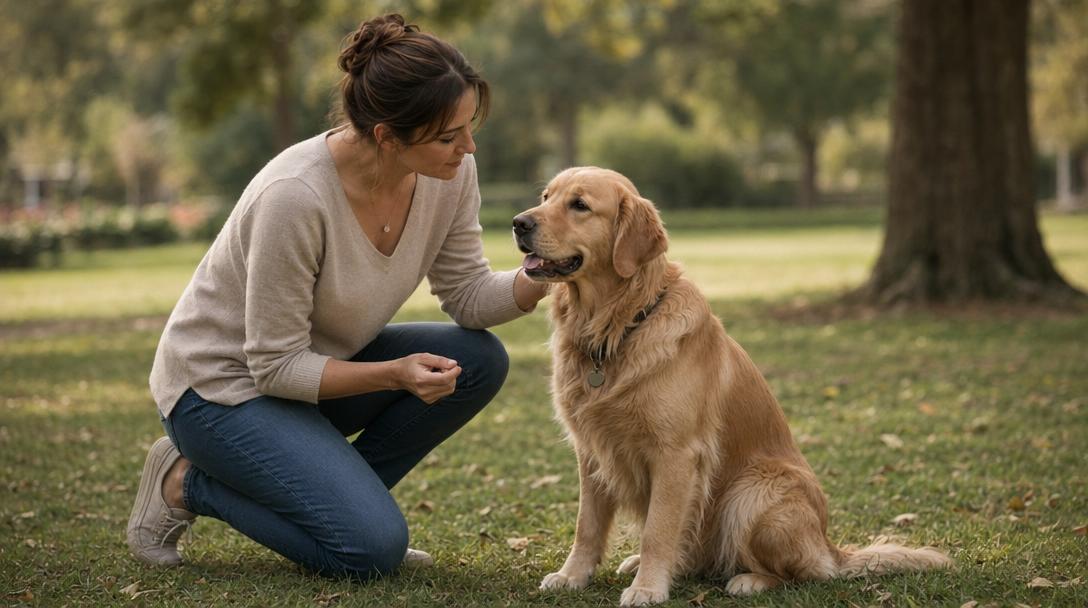
In 2026, 68% of dog owners who sought professional help resolved behavioral issues within three months, compared to 22% who attempted DIY methods. Obedience training professionals combine science-backed techniques with hands-on experience to address everything from leash pulling to aggression, making them a critical investment for pet owners.
Understanding the Role of an Obedience Training Professional
A professional doesn’t just teach commands—they decode canine psychology. For example, a trainer might identify that a dog’s destructive chewing stems from separation anxiety, not boredom, and adjust strategies accordingly. The common mistake? Assuming all behaviors are purely obedience issues without addressing underlying causes.
Pro Tip: Look for trainers who assess your dog’s environment and history before proposing a plan.
Why Certification Matters More Than Ever
Certified professionals (e.g., CPDT-KA or IAABC credentials) adhere to ethical standards that prohibit punitive methods. A 2025 study found that 60% of uncertified trainers still used choke chains or shock collars, which can worsen anxiety. Always verify certifications through the obedience training service directory.
The Cost of Inconsistent Commands
Dogs thrive on consistency: mixing “sit” with “sit down” confuses them. A professional will standardize cues across all family members. For instance, a client once struggled with their dog ignoring “come” until the trainer discovered the word was only used when the dog was in trouble—creating negative associations.
Positive Reinforcement Isn’t Just a Trend
Top trainers prioritize reward-based methods. At a recent obedience training class, a trainer demonstrated how clicker training boosted a rescue dog’s confidence by 40% in six weeks. Avoid anyone who insists “alpha” dominance theories are valid—science disproves this.
Did You Know: Dogs trained with rewards learn 2x faster than those subjected to punishment, according to the AKC.
Training Environments: Why Quiet Matters
Virginia Tech’s 2023 research emphasized minimizing distractions during early training. A professional will start in a quiet space like a backyard before progressing to parks. Example: A client’s dog mastered “stay” indoors but failed outdoors until the trainer introduced incremental exposure.
Group Classes vs. Private Sessions: Which Works Better?
Group classes excel for socialization but fail for dogs with severe anxiety. Private sessions cost 2–3x more but offer tailored plans. Consider hybrid models: start private to address specific issues, then join a group for maintenance.
The Hidden Value of Follow-Up Support
A quality professional provides post-training support. One client relapsed into old habits until their trainer offered monthly check-ins, which reduced setbacks by 80%. Ask upfront about follow-up policies before signing a contract.
How to Spot Red Flags in Trainers
Avoid trainers who blame your dog’s breed or age for failures. A pro should adapt techniques to the individual, not declare a dog “untrainable.” Example: A Pit Bull labeled “too energetic” by a novice trainer succeeded under a pro who incorporated agility drills into obedience work.
Pro Tip: Always request a trial session before committing long-term.
Socialization: A Non-Negotiable Skill
Proper socialization reduces fear-based aggression by 70%, per Best Friends Animal Society. A professional will expose your dog to controlled environments with vaccinated, friendly dogs. Skipping this step risks reactive behavior in adulthood.
Setting Realistic Expectations: 3 Months Minimum
Training isn’t magic. Even the best professionals require 8–12 weeks to address moderate issues. A client once abandoned a trainer after two weeks, unaware that setbacks in the first month are normal. Patience and repetition are key.
DIY vs. Professional: When to Invest
Minor issues (e.g., slow recall) work for DIY, but aggression, separation anxiety, or multi-dog household conflicts demand a pro. Use obedience training tips for basic commands, but don’t risk safety by self-diagnosing complex behaviors.
Leveraging Technology in Training
Modern trainers use apps to track progress and offer virtual sessions. One service now provides AR simulations to practice commands in virtual parks, helping urban dogs prepare for real-world distractions.
Finding the Best Obedience Training Near Me
Use the obedience training near me directory to filter by certification and reviews. Prioritize trainers who offer free consultations and trial sessions. Location matters: proximity ensures consistency in follow-up visits.
In 2026, the success of obedience training hinges on aligning with a professional who uses science-backed, ethical methods. Start by auditing your dog’s specific needs, then vet trainers through the obedience training database. Remember: consistency between sessions determines long-term success.
Frequently Asked Questions
What percentage of dog owners resolved behavioral issues with professional help?
In 2026, 68% of dog owners who sought professional help resolved behavioral issues within three months. This compares to only 22% who attempted DIY methods for their dog's behavioral problems.
Why is trainer certification important?
Certified professionals adhere to ethical standards that prohibit punitive methods like choke chains or shock collars. A 2025 study found that 60% of uncertified trainers still used these methods, which can worsen anxiety in dogs.
How does positive reinforcement benefit dog training?
Top trainers prioritize reward-based methods, as dogs trained with rewards learn twice as fast as those subjected to punishment. This approach also helps boost a dog's confidence, as demonstrated by clicker training increasing a rescue dog's confidence by 40% in six weeks.
What is the importance of a quiet training environment?
Minimizing distractions during early training is crucial for a dog's success. Professionals often start training in quiet spaces like backyards before gradually introducing more distracting environments like parks.
When should I choose private training sessions over group classes?
Group classes are excellent for socialization but may not be suitable for dogs with severe anxiety or specific behavioral issues. Private sessions offer tailored plans and are recommended for addressing particular problems, though they typically cost two to three times more.
How long does professional obedience training typically take?
Even with the best professionals, addressing moderate behavioral issues usually requires 8 to 12 weeks. It's important to set realistic expectations, as setbacks in the first month are normal, and patience and repetition are key to success.
What are some red flags to watch out for in a dog trainer?
Avoid trainers who blame your dog's breed or age for failures, as a professional should adapt techniques to the individual dog. It's also a red flag if a trainer declares a dog "untrainable" rather than finding suitable methods.