
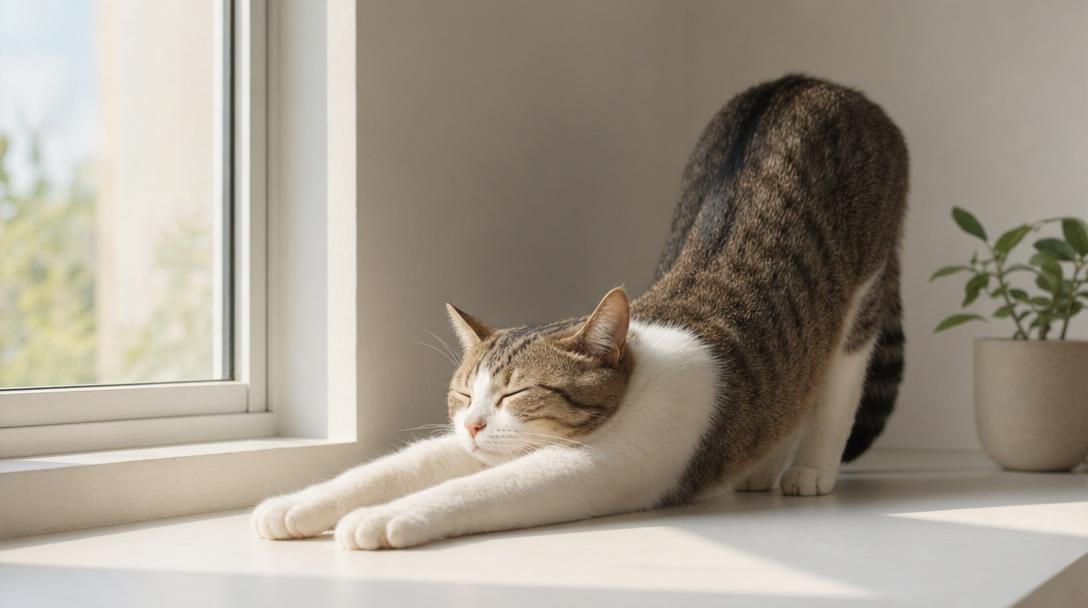
Cat behavior problems are most commonly caused by unmet instinctual needs, environmental stressors, or underlying health issues, not "bad behavior." Sudden aggression during petting, inappropriate elimination, and destructive scratching typically signal discomfort or fear. Recognizing these behaviors as communication—not rebellion—is critical for resolving them.
The Bottom Line: Cat behavior issues stem from instinctual drives, environmental triggers, or health problems. Address them by modifying environments, using positive reinforcement, and consulting professionals when needed.
How Instincts Shape Cat Behavior
Domestic cats retain 90% of their wild ancestors' behavioral traits, making their actions deeply rooted in survival instincts. Scratching furniture isn't vandalism—it's how they sharpen claws, mark territory via scent glands in paws, and stretch muscles. Vertical scratching posts mimic tree trunks, satisfying both physical and psychological needs. Similarly, "zooming" at night reflects crepuscular hunting patterns, not hyperactivity.
Environmental factors amplify these instincts. A 2023 ASPCA study found that 72% of urine-marking incidents occurred after introducing new pets or rearranging furniture. Cats prioritize scent familiarity; even moving a food bowl 3 feet can trigger anxiety. Multi-cat households face compounded stress: 65% of aggression cases stem from resource guarding (food bowls, litter boxes) rather than personality clashes.
Practical Solutions for Common Issues
Scratching, Biting, and Overstimulation
Cats bite during petting when their skin becomes hypersensitive—a sensation humans don't experience. The ASPCA recommends stroking only the head and neck areas, avoiding the tail region which contains dense nerve endings. For furniture scratching, double-sided tape or cardboard alternatives placed near scratched objects work better than punishment, which increases cortisol levels.
Inappropriate Elimination
The #1 reason cats get relinquished to shelters, according to HumanePro, is urinating outside the box. Solutions include:
- Scooping twice daily (cats avoid feces-scented boxes)
- Using unscented litter (fragrances irritate feline noses)
- Placing boxes away from noisy appliances (vacuum cleaners, washing machines)
A 2023 VCA Hospitals survey revealed 40% of owners misdiagnosed elimination issues as "spite" rather than medical conditions like urinary tract infections. Always consult a vet before behavioral interventions.
Pro Tip: Use synthetic pheromone sprays (Feliway Classic) 15 minutes before introducing guests. These mimic facial marking hormones, reducing territorial anxiety without sedation.
When Cat Behavior Classes Are Necessary
Persistent problems like chronic aggression, compulsive grooming, or sudden fear of humans require expert intervention. Veterinary behaviorists now offer telehealth consultations, making access easier in 2026. Cat behavior classes combine enrichment exercises with desensitization techniques—for example, using puzzle feeders to redirect hunting instincts away from attacking ankles.
Warning signs include:
- Tail flicking followed by biting during play (hyperesthesia)
- Avoiding interaction for 3+ days post-trauma (moving house)
- Aggressing toward family members but not strangers (redirected aggression)
The Evolutionary Roots of Cat Behavior
Cats domesticated themselves 10,000 years ago by exploiting rodent populations around human settlements. This self-directed evolution explains why they resist training like dogs. Their communication relies on subtle body language: a twitching tail tip indicates irritation, while slow blinks signal trust. Understanding these ancestral traits helps owners create environments that satisfy natural drives without destructive consequences.
The single most important takeaway: Never punish behavior without identifying its root cause. Positive reinforcement and environmental adjustments yield 3x better results than aversive methods, according to 2026 HumanePro data.
Frequently Asked Questions
What are the primary causes of cat behavior problems?
Cat behavior problems typically stem from unmet instinctual needs, environmental stressors, or underlying health issues. These issues are not usually a sign of "bad behavior" but rather a form of communication from the cat.
Why do cats scratch furniture?
Cats scratch furniture to sharpen their claws, mark their territory using scent glands in their paws, and stretch their muscles. This behavior is an instinctual drive, and providing vertical scratching posts can help satisfy these needs.
Why do cats sometimes bite during petting?
Cats may bite during petting when their skin becomes hypersensitive, a sensation humans do not experience. The ASPCA recommends stroking only the head and neck areas and avoiding the tail region, which has dense nerve endings.
What is the most common reason cats are relinquished to shelters?
The most common reason cats are relinquished to shelters is urinating outside the litter box. This issue can often be resolved by scooping the litter box twice daily, using unscented litter, and placing boxes away from noisy appliances.
When should I seek professional help for my cat's behavior?
You should seek expert intervention for persistent problems such as chronic aggression, compulsive grooming, or sudden fear of humans. Veterinary behaviorists can offer guidance, and cat behavior classes can help with enrichment and desensitization techniques.
How does a cat's evolutionary history influence its behavior?
Cats domesticated themselves by exploiting rodent populations around human settlements, leading to self-directed evolution. This history explains why they resist training like dogs and communicate through subtle body language, such as tail twitches or slow blinks.
Are there any immediate solutions for reducing a cat's territorial anxiety?
Yes, using synthetic pheromone sprays like Feliway Classic 15 minutes before introducing guests can help. These sprays mimic facial marking hormones, which can reduce territorial anxiety without the need for sedation.