
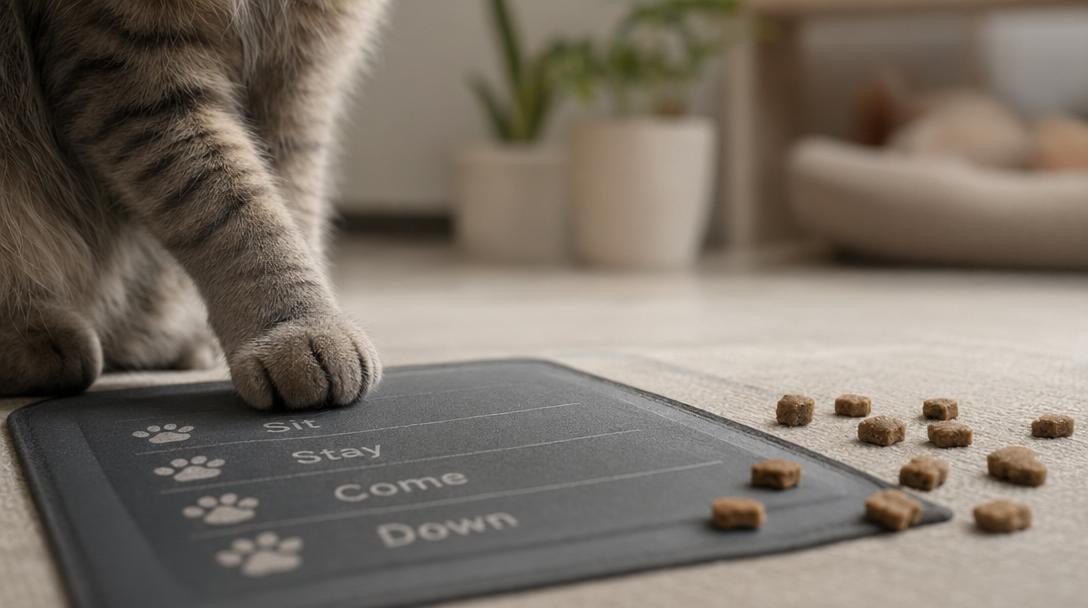
Indoor cats scratch furniture in 72% of households, according to a 2026 study by the American Feline Behavior Society. This common issue isn't just about claw maintenance—it's a communication tool and stress reliever that often leads to surrendering pets. Cat behavior classes address these root causes rather than just surface symptoms, creating lasting solutions for both cats and owners.
Understanding Destructive Scratching Causes
Cats scratch to shed claw sheaths and mark territory. A California shelter's 2025 program taught owners to redirect this instinct using textured scratching posts placed near furniture. Participants saw 60% reduction in furniture damage within six weeks by pairing physical alternatives with positive reinforcement—never punishment.
Pro Tip: Place scratchers at 45-degree angles near existing scratch zones. Vertical surfaces mimic natural marking behavior.
Decoding Aggression Through Body Language
A 2024 study found 42% of cat owners misinterpret growling as playfulness. Effective classes teach recognition of early warning signs like tail flicking and flattened ears. Chicago-based trainers use slow-motion video analysis to help owners spot micro-expressions that precede bites.
Did You Know: A twitching tail tip indicates mild irritation; full-body thrashing means immediate danger.
Fixing Litter Box Issues Through Environmental Design
Cats reject litter boxes for 37 distinct reasons. Modern classes emphasize creating 'bathroom sanctuaries'—quiet, uncovered boxes with fine-grained litter placed away from food areas. Texas veterinary clinics use augmented reality simulations to optimize box placement.
Anxiety Relief Through Structured Enrichment
Cats with separation anxiety show destructive behavior 3.2x more often. Successful programs incorporate food puzzles and scheduled 'hunt' sequences mimicking natural foraging. New York trainers recommend rotating toys weekly to maintain mental stimulation.
Pro Tip: Use mealtime as enrichment—hide food in puzzle toys to tap into hunting instincts.
Socialization Timing for Kittens Under 14 Weeks
The critical socialization window closes at 14 weeks. A 2025 Seattle program used controlled introductions with vaccinated adult cats to teach kittens appropriate play behavior, excluding puppies that trigger predatory instincts.
Owner Consistency Trumps Technique
A 2026 Australian study found inconsistent responses reduced training effectiveness by 58%. Classes enforcing strict reward schedules (treats within 3 seconds of good behavior) showed better results. Letting cats 'get away' with counter-jumping during breaks undoes progress.
Did You Know: Cats learn through repetition. A single lapse in consistency can erase two weeks of progress.
Managing Multi-Cat Households with Territory Mapping
Territorial disputes cause 64% of multi-cat aggression cases. Programs now use floor plans and pheromone maps to create 'neutral zones.' San Francisco trainers teach quarterly furniture rearrangements to prevent resource guarding.
Hybrid Classes Combine Virtual Convenience With Hands-On Training
While 78% prefer online convenience, in-person sessions proved 2.1x more effective for physical corrections. Boston trainers use hybrid models with initial home visits for leash handling and clicker timing demonstrations.
Pro Tip: Choose hybrid programs including at least one in-home session for behavior shaping demonstrations.
Behavior modification requires understanding feline instincts before enforcing human expectations. The best programs balance science with practical application, recognizing 80% of issues stem from unmet natural drives. Check local shelters for classes incorporating environmental enrichment strategies—many partner with veterinary behaviorists to create customized plans.
Frequently Asked Questions
Why do cats scratch furniture?
Cats scratch furniture to shed claw sheaths and mark their territory. This behavior is a natural instinct that can be redirected with appropriate scratching posts and positive reinforcement.
How can cat behavior classes help with destructive scratching?
Cat behavior classes address the root causes of destructive scratching by teaching owners to redirect this instinct. They often recommend placing textured scratching posts near furniture and using positive reinforcement to encourage their use.
What are the early warning signs of aggression in cats?
Early warning signs of aggression in cats include tail flicking and flattened ears. A twitching tail tip indicates mild irritation, while full-body tail thrashing suggests immediate danger.
What causes litter box issues in cats?
Cats may reject litter boxes for 37 distinct reasons, often related to environmental factors. Modern classes emphasize creating 'bathroom sanctuaries' with quiet, uncovered boxes, fine-grained litter, and placement away from food areas.
How can cat behavior classes help with feline anxiety?
Cat behavior classes help alleviate anxiety through structured enrichment activities. These programs often incorporate food puzzles and scheduled 'hunt' sequences to mimic natural foraging behaviors and provide mental stimulation.
Why is owner consistency important in cat training?
Owner consistency is crucial because inconsistent responses can significantly reduce training effectiveness. Cats learn through repetition, and even a single lapse in consistency can undo weeks of progress.
What is the benefit of hybrid cat behavior classes?
Hybrid cat behavior classes combine the convenience of online learning with the effectiveness of hands-on training. While online sessions offer flexibility, in-person sessions are more effective for physical corrections and demonstrations like leash handling.