
A 2026 study found 1 in 3 cats develop behavioral issues by age 3, often leading to preventable relinquishments. Cat behavior professionals now combine veterinary science with feline psychology to address these challenges, transforming how owners understand and interact with their pets.
Positive Reinforcement Over Punishment
Cats respond better to reward-based training than punitive measures. A cat behavior professional in Chicago recently helped a client address litter box avoidance by rewarding the cat with treats every time it used the box correctly. Punishment often escalates fear or aggression, making problems worse. For instance, shouting at a cat for scratching furniture creates negative associations rather than teaching alternatives.
Pro Tip: Use high-value treats like freeze-dried chicken to reinforce desired behaviors immediately after they occur.
Timing Matters More Than You Think
Training sessions should align with a cat's natural rhythms. Cats are most active during dawn and dusk, making these windows ideal for short, focused sessions (5-10 minutes). A professional in Seattle successfully trained a senior cat to use a new feeding station by practicing twice daily during its peak energy hours. Rushing or extending sessions beyond the cat's attention span causes disengagement.
Did You Know: Feline learning peaks within the first 15 seconds of a behavior—timing rewards or corrections correctly is critical.
Consistency Prevents Confusion
A client once complained their cat ignored the "come" command. A cat behavior service discovered the family used three different cues: "here kitty," "come here," and "get over here." Consistency in verbal cues and hand signals prevents mixed messages. Professionals often provide written guidelines to ensure all household members follow the same approach.
Start Simple, Build Gradually
Breaking complex behaviors into micro-steps yields better results. When teaching a cat to tolerate a carrier, a professional in Austin began by rewarding proximity to the carrier, then touching it, then entering with food, and finally closing the door briefly. Owners who skip steps often face setbacks when the cat becomes overwhelmed.
Pro Tip: Use a clicker to mark precise moments of desired behavior, bridging the gap between action and reward.
Understand Feline Body Language
A twitching tail isn't just a quirk—it's a stress signal. A cat behavior tips blog highlights how 80% of owners misinterpret ear positions and vocalizations. For example, a cat turning its head away during petting isn't being aloof; it's signaling discomfort. Professionals train owners to recognize these cues to prevent escalation into biting or scratching.
Environmental Enrichment Reduces Behavioral Issues
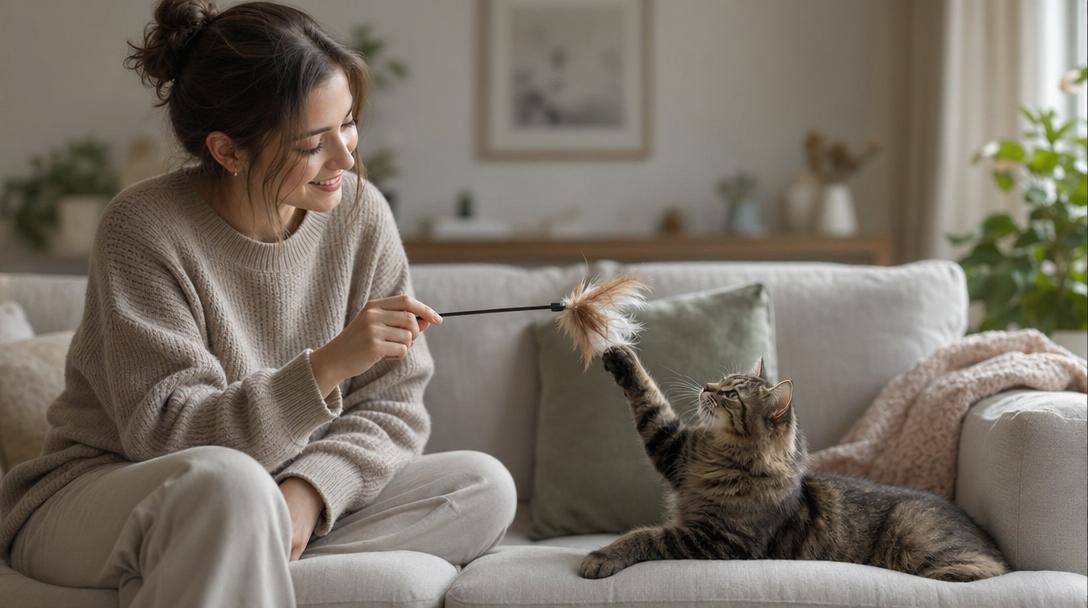
Boredom fuels destructive behaviors. A 2026 case study showed that adding vertical spaces and puzzle feeders reduced scratching by 60%. One client's cat stopped attacking curtains after they installed a window perch and introduced daily "hunting" sessions with feather toys. Enrichment should mimic natural instincts like climbing, stalking, and scratching.
Did You Know: Indoor cats need at least 3 vertical feet of space per cat to feel secure.
When to Call a Professional
Persistent issues like inter-cat aggression or sudden litter box avoidance require expert intervention. A cat behavior service can identify medical causes first—urinary tract infections often masquerade as behavioral problems. Professionals also address complex cases, such as reintroducing cats after a traumatic event. If DIY methods fail after two weeks, consult a qualified expert through a cat behavior near me search.
Pro Tip: Look for certifications like Fear Free or Low Stress Handling credentials when selecting a professional.
The success of cat behavior interventions hinges on understanding feline psychology and applying science-backed methods. For immediate results, search cat behavior near me to connect with certified professionals who can tailor strategies to your cat's unique needs.
Frequently Asked Questions
What is the primary approach cat behavior professionals use to address behavioral issues?
Cat behavior professionals combine veterinary science with feline psychology. They focus on reward-based training rather than punishment, as cats respond better to positive reinforcement.
When is the best time to conduct training sessions with a cat?
Training sessions should align with a cat's natural rhythms. Cats are most active during dawn and dusk, making these times ideal for short, focused sessions lasting 5-10 minutes.
Why is consistency important when training a cat?
Consistency in verbal cues and hand signals prevents confusion for the cat. Using different commands for the same action can send mixed messages and hinder learning.
How do cat behavior professionals recommend teaching complex behaviors?
Professionals recommend breaking complex behaviors into micro-steps and building gradually. This approach prevents the cat from becoming overwhelmed and leads to better results.
What role does environmental enrichment play in reducing cat behavioral issues?
Environmental enrichment helps reduce destructive behaviors caused by boredom. Adding vertical spaces, puzzle feeders, and engaging toys can mimic natural instincts and improve a cat's well-being.
When should an owner consider calling a professional for their cat's behavior?
Owners should call a professional for persistent issues like inter-cat aggression, sudden litter box avoidance, or if DIY methods fail after two weeks. Professionals can also rule out medical causes for behavioral problems.