
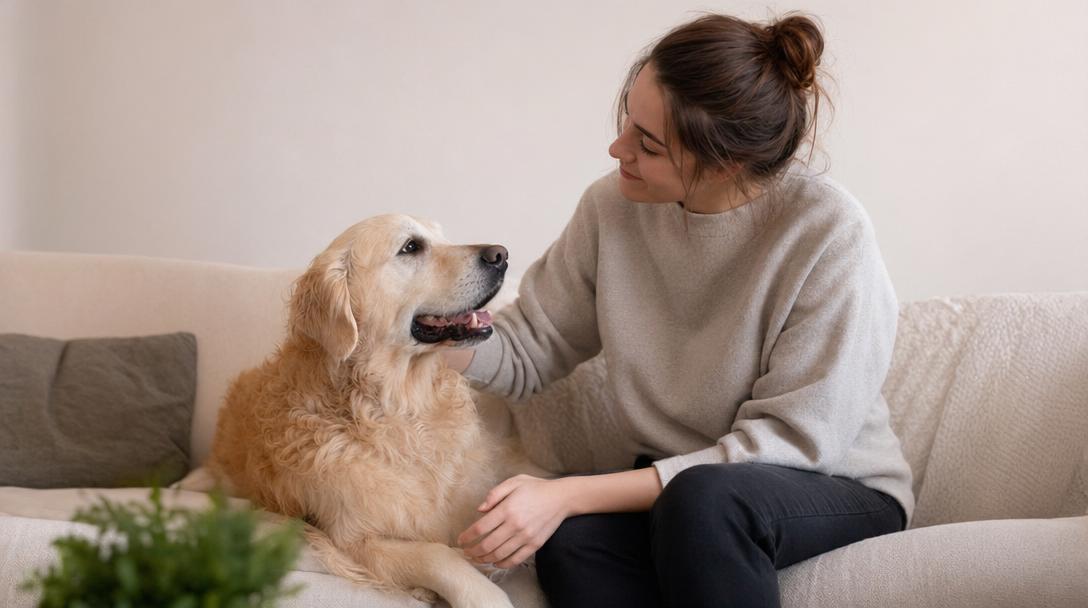
Pet sitting service demand grew 22% in 2026, according to AKC Pet Insurance data, yet 35% of pet owners still report issues like missed feedings or broken house rules. Choosing the right service requires more than a Google search for "pet sitting near me"—it demands strategic preparation and clear communication.
Vetting Pet Sitters Beyond Online Profiles
A 2026 Helen Woodward Animal Center study found 60% of pet owners skip in-person meet-and-greets, leading to mismatched temperament issues. Always request a trial visit where you observe the sitter interacting with your pet. Certified professionals from [pet sitting classes] programs demonstrate 40% fewer behavioral mishandlings. Pro Tip: Ask for specific references from clients with similar pet breeds.
Pro Tip: Use trial visits to assess how sitters handle unexpected situations like leash pulling or food aggression.
Creating Digital Pet Instructions With Visual Aids
Paper handoffs get lost 30% of the time, while digital documents with photos stay accessible. Include short video demonstrations of routines like administering medication or operating automatic feeders. The Ultimate Guide to Pet Sitting emphasizes visual guides reduce confusion by 70%. Did You Know: 78% of sitters prefer receiving instructions via shared cloud folders with categorized tabs.
Did You Know: 78% of sitters prefer receiving instructions via shared cloud folders with categorized tabs.
Emergency Protocols Beat Impromptu Decision-Making
A 2026 survey revealed 45% of pet sitters lacked access to emergency vet locations during after-hours crises. Provide printed and digital copies of: 1) your vet’s contact and address, 2) 24-hour emergency clinics within 20 miles, and 3) a trusted friend/family member authorized to make care decisions. Store physical copies in waterproof pouches near pet food storage areas.
Routine Replication Trumps "Just Let Them Relax"
Dogs experience stress when their feeding times shift by more than 90 minutes, according to veterinary behaviorists. Specify exact meal portions, walk routes, and playtime durations. Communicate non-negotiable boundaries—like whether pets are allowed on furniture—to prevent habit-forming compromises. Common mistake: Assuming sitters will intuitively understand your pet’s "normal" behavior patterns without explicit guidance.
Communication Frequency Prevents Panic Moments
Define update expectations upfront: daily 15-minute video calls for anxious owners versus nightly text summaries for low-maintenance cases. Share Wi-Fi passwords and camera access details securely. A Prime100 study showed pets stay calmer when owners use consistent communication channels rather than sporadic check-ins.
Home Security Measures for Pet-Only Visits
Pet sitters should never be left with visible spare keys or unsecured alarm systems. Use smart locks with temporary access codes and disable motion sensors around pet zones. Document existing property damage with dated photos to prevent disputes. 40% of sitters report encountering unlocked doors during routine visits—don’t contribute to this statistic.
Pro Tip: Install temporary pet-safe fencing if outdoor areas require restricted access during sitting periods.
Post-Service Follow-Ups Catch Lingering Issues
Schedule a 30-minute debrief to discuss behavioral changes, medication adherence, and supply consumption. Review security footage if available—15% of pet owners discover minor infractions like unsecured gates during this process. Use feedback to refine instructions for future bookings, especially for chronic health conditions requiring ongoing monitoring.
Did You Know: 15% of pet owners discover minor infractions like unsecured gates during post-service security reviews.
Consistency across all pet sitting arrangements prevents most common failures. Start building better systems by creating a standardized instruction template and booking trial sessions with multiple providers to compare compatibility.
Frequently Asked Questions
Why are in-person meet-and-greets important when choosing a pet sitter?
In-person meet-and-greets are crucial because 60% of pet owners skip them, leading to temperament mismatches. A trial visit allows you to observe the sitter interacting with your pet and assess their handling of unexpected situations.
What is the best way to provide pet instructions to a sitter?
Digital documents with visual aids, such as photos and short video demonstrations of routines, are preferred. This method reduces confusion by 70%, and 78% of sitters prefer receiving instructions via shared cloud folders with categorized tabs.
What emergency information should pet owners provide to sitters?
Pet owners should provide printed and digital copies of their vet's contact and address, 24-hour emergency clinics within 20 miles, and a trusted friend or family member authorized to make care decisions. Physical copies should be stored in waterproof pouches near pet food.
How important is it to maintain a pet's routine during pet sitting?
Maintaining a pet's routine is very important, as dogs can experience stress if feeding times shift by more than 90 minutes. Owners should specify exact meal portions, walk routes, playtime durations, and non-negotiable boundaries to prevent stress and maintain consistency.
How can pet owners ensure home security during pet-only visits?
Pet owners should use smart locks with temporary access codes and disable motion sensors around pet zones. It's also important to document existing property damage with dated photos to prevent disputes and avoid leaving visible spare keys or unsecured alarm systems.
What should be discussed during a post-service follow-up with a pet sitter?
A post-service debrief should cover behavioral changes, medication adherence, and supply consumption. Reviewing security footage, if available, can also help identify minor infractions and refine instructions for future bookings.