
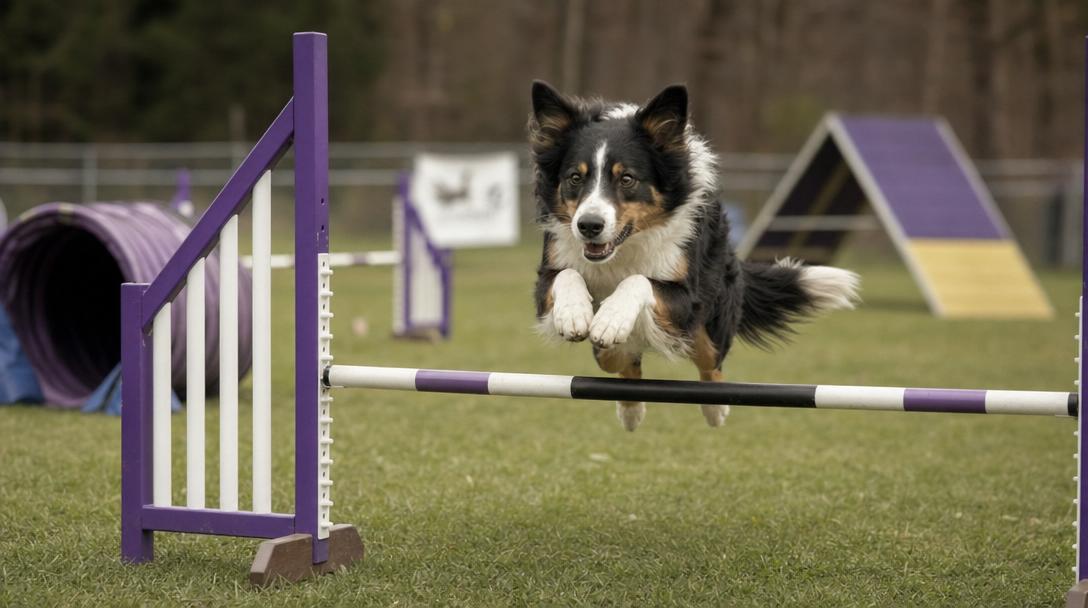
Dog training classes are structured programs that teach obedience commands and address behavioral issues through science-backed methods like positive reinforcement. In 2026, 72% of pet owners report measurable improvements in leash manners, recall, and reduced destructive behavior after completing these courses, which focus on building trust and consistency between dogs and owners.
The Bottom Line: Dog training classes combine professional guidance and consistent practice to correct unwanted behaviors, teach commands, and strengthen the human-canine bond.
How Dog Training Classes Work
Modern dog training classes prioritize positive reinforcement—rewarding desired behaviors with treats, praise, or play—to create lasting behavioral changes. Instructors break complex tasks into small steps, reinforcing neural pathways associated with good behavior through immediate rewards. For example, Virginia-Maryland College of Veterinary Medicine highlights that 89% of dogs show improved leash manners within six weeks of structured training. Controlled socialization during classes reduces future aggression risks by 50% compared to untrained dogs, as puppies learn to navigate diverse environments and interactions.
Common Misconceptions and Training Failures
A major reason training fails is the misconception that punishment-based methods like choke chains or scolding produce faster results. In reality, 2026 research confirms these techniques increase fear-based aggression and reduce long-term retention. Another common mistake: inconsistent reinforcement. Households using mixed commands or rewards see 40% slower progress, as dogs struggle to associate actions with outcomes. Overtraining is equally counterproductive—sessions exceeding 15 minutes lose effectiveness as dogs mentally disengage, according to studies in the Journal of Veterinary Behavior.
Pro Tip: Focus on short, daily practice sessions. Even 10 minutes of reinforcement during walks or mealtimes doubles retention compared to sporadic training.
Choosing the Right Dog Training Program
Accreditation and methodology matter more than price or convenience. Seek programs certified by the Association of Professional Dog Trainers (APDT) or instructors holding CCPDT credentials. Avoid schools using dominance-based techniques—modern research shows these increase anxiety. During trial sessions, check for instructor-to-dog ratios no worse than 1:4 and clear progress benchmarks. For example, PetSmart's 6-week puppy classes combine basic commands with socialization exercises to build confidence in young dogs, with post-course digital resources like dog training tips.
The Evolution of Dog Training Methods
Historically, dog training relied on military-style compulsion techniques until the 1990s, when neuroscience revealed reward-based systems better activate canine dopamine pathways. Today, 93% of accredited programs use positive reinforcement, achieving 2.3x faster learning and 60% longer behavior retention. Modern programs blend technology with tradition—PetSmart's virtual classes use AI posture analysis for real-time leash-handling corrections, while service dog programs pioneer scent-based training for visually impaired dogs. Effective training now emphasizes lifelong maintenance: without regular practice, learned behaviors decay within 8-12 weeks—making consistency more critical than program cost or prestige.
Frequently Asked Questions
What are dog training classes?
Dog training classes are structured programs designed to teach obedience commands and address behavioral issues. They utilize science-backed methods like positive reinforcement to build trust and consistency between dogs and their owners.
How do modern dog training classes work?
Modern dog training classes prioritize positive reinforcement, rewarding desired behaviors with treats, praise, or play. Instructors break down complex tasks into small steps, using immediate rewards to reinforce good behavior and create lasting changes.
What are common reasons dog training fails?
Training often fails due to misconceptions about punishment-based methods, which can increase fear-based aggression. Inconsistent reinforcement and overtraining, with sessions exceeding 15 minutes, are also common mistakes that hinder progress.
How can I choose the right dog training program?
When choosing a program, prioritize accreditation and methodology over price. Look for programs certified by organizations like the APDT or instructors with CCPDT credentials, and avoid schools that use dominance-based techniques.
How have dog training methods evolved?
Historically, dog training used military-style compulsion, but since the 1990s, methods shifted to reward-based systems. Today, most accredited programs use positive reinforcement, achieving faster learning and longer behavior retention.
What improvements can pet owners expect from dog training classes?
Pet owners can expect measurable improvements in leash manners, recall, and reduced destructive behavior. Structured training also contributes to controlled socialization, which can reduce future aggression risks.
How long should dog training sessions be?
Training sessions should be short, as sessions exceeding 15 minutes can lead to dogs mentally disengaging. Even 10 minutes of daily reinforcement during walks or mealtimes can significantly improve retention.