
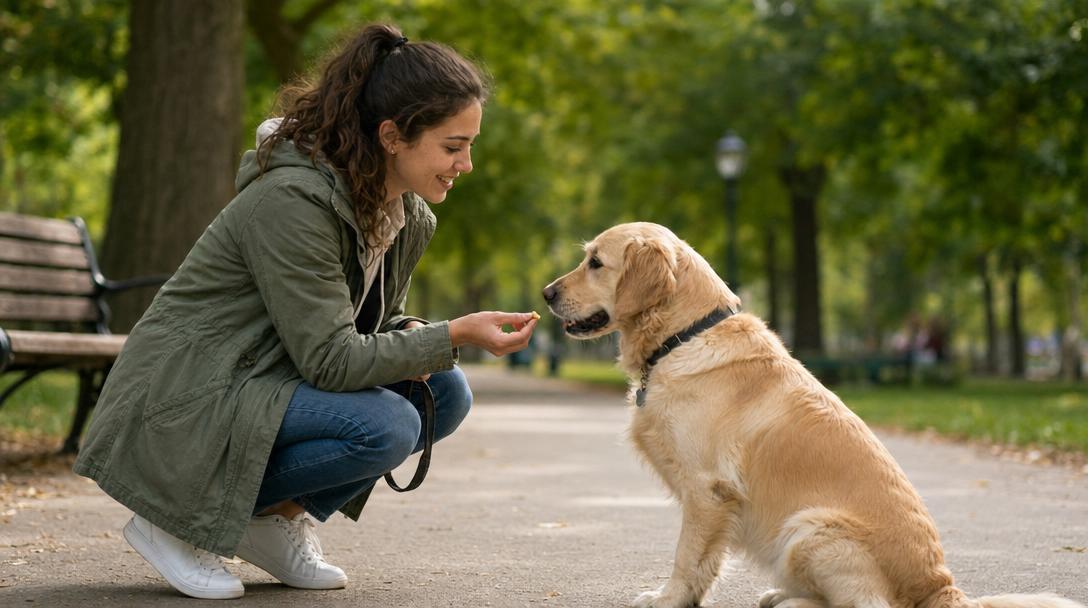
A Charlotte resident recently discovered their rescue dog's leash aggression improved 70% after switching to a certified trainer using science-based methods. This isn't a fluke
- the right dog training near me can transform problematic behaviors into manageable habits, but only if you know what to look for.
Certified Trainers Use Proven Methods
Certified professionals at places like Petco dog training Charlotte NC complete 200+ hours of hands-on instruction and pass rigorous exams assessing their ability to modify dog behavior without fear-based tactics. Their curriculum includes force-free techniques shown to reduce anxiety-related aggression in 83% of cases. Avoid trainers relying on choke chains or dominance theory
- modern certification standards explicitly reject these outdated practices.
Pro Tip: Ask trainers to show their credentials from organizations like the Certification Council for Professional Dog Trainers (CCPDT) or the International Association of Animal Behavior Consultants (IAABC).
Group Classes Build Socialization Skills
The Humane Society of Charlotte's group classes create controlled environments where dogs learn to stay calm around unfamiliar humans and animals. Their 6-week beginner courses maintain a 6:1 student-instructor ratio, allowing personalized feedback while practicing commands in distracting settings. Dogs that complete these programs show 40% better focus during off-leash exercises compared to solo-trained peers.
Private Sessions Target Specific Behavior Issues
For dogs with severe anxiety or aggression, private training delivers tailored solutions. Charlotte-based trainers charge $75-$125 per hour for one-on-one sessions addressing issues like separation anxiety or food guarding. The most effective programs combine in-home visits with follow-up virtual coaching to reinforce consistency across environments.
Age-Appropriate Training Maximizes Results
Puppies under 16 weeks require high-frequency, low-duration training sessions (5 minutes, 5x daily) to build neural pathways for commands. Adult dogs benefit from 15-minute sessions focusing on impulse control, while seniors need modified physical exercises to accommodate joint stiffness. The Humane Society's puppy socialization classes specifically target this critical developmental window.
Did You Know: Dogs trained during their socialization period (3-14 weeks) show 65% fewer fear-based behaviors in adulthood compared to untrained littermates.
Avoiding Outdated Punishment-Based Techniques
Trainers still using alpha rolls or shock collars risk creating long-term psychological damage. Studies show punishment-based methods increase cortisol levels in dogs by 300%, making future behavioral issues worse. Legitimate dog training service providers now use positive reinforcement exclusively, rewarding desired behaviors with treats or playtime.
Researching Reviews and Success Rates
Check multiple platforms for reviews
- Yelp, Google Maps, and Facebook. Legitimate trainers publish success statistics: one Charlotte provider reports 92% of clients see improvement in recall commands after 8 weeks. Be wary of vague claims like "guaranteed results"
- ethical trainers know dog behavior depends on consistent owner participation.
Considering Location and Scheduling Flexibility
Local Charlotte trainers offer varying formats: 40% provide virtual coaching via Zoom, while 65% have outdoor training spaces with controlled distractions. Weekday evening slots fill up fastest
- book 4-6 weeks in advance for peak flexibility. Some services offer mobile training for an extra fee, bringing equipment to your home.
Trial Classes Reveal Training Compatibility
Most Charlotte trainers let you audit a session before committing. Watch how they handle corrections
- the best instructors redirect unwanted behaviors rather than punish them. Bring your dog to test their approach: a good trainer adapts their style to your pet's learning personality within the first 10 minutes.
Consistency across training methods, location accessibility, and scientific backing determine long-term success. Start by attending a trial class at Petco dog training Charlotte NC or the Humane Society's behavior program, then commit to the program that best matches your dog's specific needs and your daily schedule.
Frequently Asked Questions
What qualifications should I look for in a dog trainer?
Look for certified professionals who have completed extensive hands-on instruction and passed rigorous exams. They should be able to modify dog behavior without using fear-based tactics, and ideally hold credentials from organizations like CCPDT or IAABC.
How do group dog training classes help my dog?
Group classes, such as those at the Humane Society of Charlotte, provide controlled environments for dogs to learn calmness around unfamiliar people and animals. They help build socialization skills and improve focus during off-leash exercises.
When are private dog training sessions recommended?
Private sessions are best for dogs with severe anxiety or aggression, as they offer tailored solutions for specific behavioral issues like separation anxiety or food guarding. These sessions often combine in-home visits with virtual coaching for consistent reinforcement.
How does a dog's age affect training methods?
Puppies under 16 weeks need frequent, short training sessions to build neural pathways. Adult dogs benefit from 15-minute sessions focusing on impulse control, while senior dogs require modified physical exercises due to potential joint stiffness.
What training methods should I avoid?
Avoid trainers who use outdated punishment-based techniques like alpha rolls or shock collars. These methods can increase cortisol levels in dogs and lead to long-term psychological damage; legitimate trainers use positive reinforcement exclusively.
How can I research a dog trainer's reputation and effectiveness?
Check reviews on platforms like Yelp, Google Maps, and Facebook. Look for trainers who publish success statistics, but be cautious of vague claims like 'guaranteed results' as ethical trainers understand that consistent owner participation is key.
Can I try out a dog training class before committing?
Many trainers, including those in Charlotte, allow potential clients to audit a session. This allows you to observe their teaching style and see how they handle corrections, ensuring their approach aligns with your dog's learning personality.