
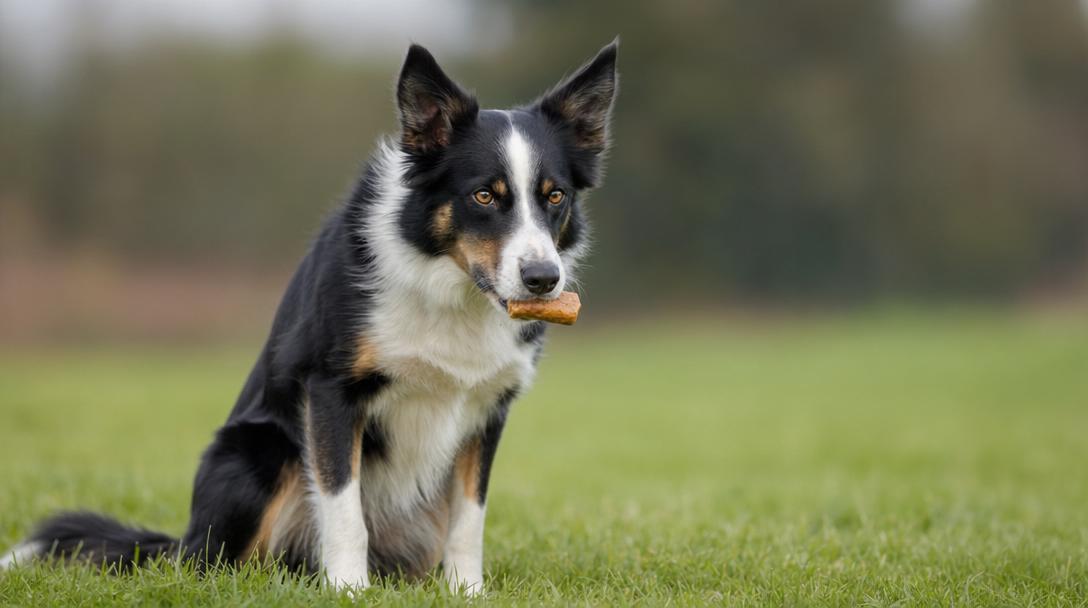
A dog that jumps on guests, pulls on the leash, or ignores commands isn't defiant—it's untrained. Obedience training transforms chaos into cooperation, creating a safer, happier household. By following these 10 steps, you'll establish clear communication with your dog, strengthen trust, and enjoy daily routines without stress.
Step 1: Identify Core Obedience Principles
Obedience training isn't about dominance—it's about teaching your dog to make good choices. Start by learning positive reinforcement techniques, which reward desired behaviors instead of punishing mistakes. Research from the RSPCA confirms that reward-based methods build stronger long-term compliance compared to aversive tactics. A critical detail: always pair verbal cues with physical gestures; dogs respond better to combined signals. For example, say "sit" while raising a treat above their head to encourage the natural butt-to-ground motion.
Warning: Avoid repeating commands multiple times. If your dog ignores "sit" three times, pause and reset the scenario instead of escalating your tone. Repetition without action teaches them to disregard your first request.
Step 2: Set Specific Training Goals
Write down 3-5 behaviors you want to address: loose-leash walking, reliable recall, or settling quietly on a mat. Prioritize goals based on safety and daily challenges. If your dog bolts out open doors, focus on "stay" and "come" commands before tackling less urgent issues like barking. Use the SMART framework—goals should be Specific, Measurable, Achievable, Relevant, and Time-bound. For instance: "By June 2026, my dog will sit calmly when the doorbell rings 80% of the time."
Step 3: Select Effective Training Methods
Choose methods that align with your goals and vet-approved guidelines. A front-clip harness works better than a collar for leash-pulling issues, while a long line aids recall training. Incorporate high-value treats (chicken bits, not store-bought snacks) for complex tasks, phasing them out as behaviors become habitual. Visit obedience training tips for equipment comparisons and ethical training standards. Remember: no tool fixes behavior without proper technique—using a shock collar without professional guidance often worsens anxiety.
Step 4: Establish a Daily Training Routine
Consistency trumps intensity. Set two 10-minute sessions daily at predictable times—post-breakfast and pre-dinner work well. Short bursts keep dogs engaged; a 2026 study in Journal of Veterinary Behavior found 5-minute sessions repeated four times daily improved retention by 40% versus single 20-minute sessions. Start each session with a warm-up: practice one mastered command to build confidence before introducing new challenges. Always end on a positive note—even if you're frustrated, finish with an easy task they'll nail.
Step 5: Teach Basic Commands Methodically
Master these five commands in sequence: sit, down, stay, come, leave it. Each builds on the previous skill:
- Sit: Use a treat to lure their head upward, causing their rear to lower.
- Down: From sit, move the treat forward to encourage stretching.
- Stay: Take one step back from the down/sit position, gradually increasing distance.
- Come: Use a long line in a safe area, pairing the cue with treats and excited praise.
- Leave it: Place a covered treat in your fist; reward when they stop pawing at your hand.
Avoid teaching multiple commands per session. A common mistake: trying to teach "stay" and "come" simultaneously confuses dogs, who need clear associations between cues and actions.
Step 6: Add Controlled Distractions Gradually
A dog that obeys in your living room isn't truly trained until they respond at the park. Start with low-level distractions: practice "sit" while someone walks through the room, then progress to outdoor training with passing cyclists. Use higher-value rewards in distracting environments—offer steak chunks at the dog park instead of regular treats. If your dog fails a distraction test three times, reduce the challenge level before retrying. This approach prevents learned disobedience, where failed attempts become habits.
Step 7: Apply Variable Rewards Strategically
Once commands are reliable, shift from continuous to intermittent reinforcement. Reward every third successful "stay" instead of every time, mixing in verbal praise and belly rubs. This technique, proven in Best Friends Animal Society studies, makes behaviors more resistant to extinction. For example: during recall practice, sometimes give three treats in a row for dramatic effect, other times say "good come!" and toss a ball. The unpredictability keeps dogs engaged long-term.
Step 8: Troubleshoot Common Training Setbacks
Regression happens. If your dog suddenly ignores "down," consider these causes:
- Overuse: Did you drill the command 20 times yesterday? Take a 48-hour break.
- Pain: Arthritis or injury can make positions uncomfortable—consult a vet if reluctance persists.
- Distraction Threshold Exceeded: You might have jumped from kitchen practice to a crowded dog park too quickly.
Correct errors by isolating variables. If "leave it" fails with shoes, practice only with socks for a week before reintroducing shoes. Never punish past mistakes—corrective measures after the fact confuse dogs about what's being punished.
Step 9: Engage Professional Training Support
Enroll in obedience training classes or hire an obedience training professional if you encounter aggression, severe anxiety, or if progress stalls for two weeks. Certified trainers use force-free methods and can identify training gaps you might miss. When vetting professionals, ask for their certification body (CPDT-KA or IAABC credentials are gold standards) and request a trial session. Group classes work best for socialization-focused goals, while private sessions address specific behavior issues.
Step 10: Assess and Expand Training Skills
Monthly, test your dog's proficiency in three real-world scenarios: greeting visitors, leash walking downtown, and responding to "come" at the park. Track progress using a simple chart—improvement should be 80% or higher across all metrics. Once foundation skills solidify, expand into advanced training like agility courses or therapy dog prep. Remember, obedience isn't a destination; obedience training service providers recommend refreshing skills every six months to prevent backsliding.
Key Takeaway: Successful obedience training requires patience, not perfection. Celebrate small wins—like your dog choosing to sit unprompted—and adjust timelines as needed. Dogs trained with consistency and kindness become more than obedient; they become confident companions.
You've now built a responsive, well-mannered dog who understands expectations. Maintain momentum by incorporating training into daily life: ask for "sit" before mealtime, or "leave it" when they sniff something questionable on walks. The real reward? A stronger bond with a dog who trusts your leadership—and looks to you for guidance in every situation.
Frequently Asked Questions
What is the core principle of effective obedience training?
Obedience training focuses on teaching dogs to make good choices through positive reinforcement. This method rewards desired behaviors, which builds stronger long-term compliance compared to punishment-based tactics.
Why should I avoid repeating commands multiple times if my dog doesn't respond?
Repeating commands without action teaches your dog to disregard your initial request. If your dog ignores a command, it's better to pause, reset the scenario, and then try again rather than escalating your tone or repeating the command.
How can I set effective goals for my dog's obedience training?
Use the SMART framework to set goals that are Specific, Measurable, Achievable, Relevant, and Time-bound. Prioritize goals based on safety and daily challenges, such as teaching 'stay' and 'come' if your dog bolts out open doors.
What is the recommended daily routine for obedience training?
Consistency is key, so aim for two 10-minute training sessions daily at predictable times. Short bursts keep dogs engaged, and starting with a mastered command can build confidence before introducing new challenges.
Which basic commands should I teach my dog first, and in what order?
Master these five commands in sequence: sit, down, stay, come, and leave it. Each command builds on the previous one, and it's important to avoid teaching multiple new commands in a single session to prevent confusion.
How can I make my dog's training effective in distracting environments?
Gradually introduce controlled distractions, starting with low-level ones and progressing to more challenging environments. Use higher-value rewards in distracting settings, and if your dog struggles, reduce the challenge level before retrying.
When should I seek professional help for dog obedience training?
Consider enrolling in classes or hiring a professional trainer if you encounter issues like aggression, severe anxiety, or if your training progress stalls for two weeks. Certified trainers can identify gaps and provide force-free methods.
How often should I refresh my dog's obedience skills?
Obedience training is an ongoing process, not a one-time event. It's recommended to refresh your dog's skills every six months to prevent backsliding and maintain their responsiveness.