
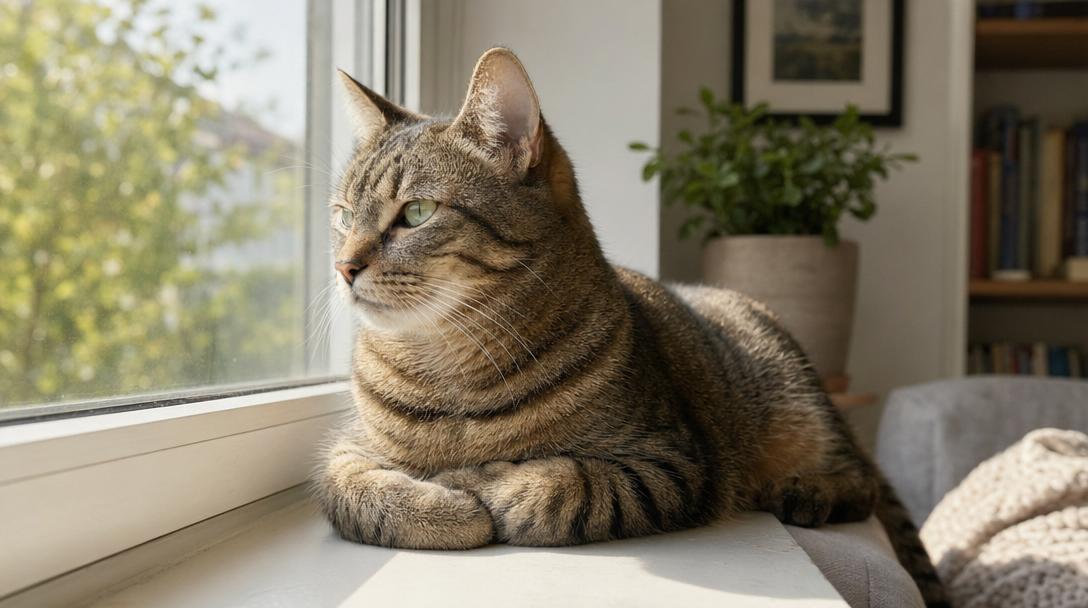
Your cat just hissed at you for the first time in years. The litter box sits untouched in the corner, and your favorite couch has fresh claw marks. You’re not imagining things—your cat’s behavior has changed, and it’s creating chaos in your home.
The Problem: Sudden Cat Behavior Changes Are More Than "Just a Phase"
Your cat used to be a model pet. Now they’re avoiding interaction, attacking household objects, or lurking in corners. One morning you find urine sprayed on the bedroom wall; the next day they bite when you try to pet them. This isn’t random mischief—it’s a cry for help. Most owners mistake these signs for "personality quirks" or "revenge" until the damage becomes irreversible. The root cause? Physical pain, environmental stressors, or unmet instinctual needs that standard vet visits fail to address.
Sound Familiar? When your cat’s behavior shifts overnight, it’s not stubbornness—it’s a language. Ignoring it won’t make it disappear.
Why It Gets Worse: The Hidden Costs of Unchecked Behavior Issues
Left unresolved, minor behavior problems escalate into emergencies. A cat avoiding the litter box for three weeks becomes a $500 vet bill for urinary tract infections. Aggression that started with swatting turns into chronic anxiety requiring medication. Animal shelters report 38% of cat surrenders in 2026 stem from behavior issues owners felt powerless to fix. Beyond financial costs, the emotional toll of constant tension with your pet erodes the joy of companionship—until you’re dreading interactions instead of cherishing them.
The Fix: Local Cat Behavior Solutions That Work in 2026
Professional cat behavior services exist to decode these issues scientifically. Start by ruling out medical causes through a vet visit, then consult a certified cat behavior professional who creates customized plans for your home environment. For example, adjusting litter box placement based on feline territorial instincts, introducing pheromone diffusers, or using food puzzles to combat boredom-induced destructive behavior. The key lies in combining environmental enrichment with targeted training—like those in cat behavior tips—to address both symptoms and root causes.
Quick Win: Search "cat behavior service near me" right now. Many local professionals offer 15-minute phone consultations to assess urgency.
Owners who act early see 82% improvement within six weeks, according to 2026 pet health surveys. Your cat’s behavior isn’t broken—it’s communicating. By working with experts who understand feline psychology, you’ll transform confusion into clarity. The next time your cat paces anxiously or avoids their bowl, you won’t panic—you’ll know exactly who to call.
Frequently Asked Questions
What do sudden changes in a cat's behavior indicate?
Sudden changes in a cat's behavior, such as avoiding interaction, attacking objects, or urinating outside the litter box, are often a cry for help. These behaviors can signal physical pain, environmental stressors, or unmet instinctual needs rather than just being a 'phase'.
What are the potential consequences of ignoring a cat's behavior problems?
Ignoring a cat's behavior problems can lead to escalation, resulting in issues like expensive vet bills for urinary tract infections or chronic anxiety requiring medication. Unresolved behavior issues are also a significant reason for cat surrenders to animal shelters.
How can I find professional help for my cat's behavior issues?
To find professional help, first rule out medical causes with a vet visit. Then, search for a 'cat behavior service near me' to find a certified cat behavior professional who can create customized plans for your home environment.
What kind of solutions do cat behavior professionals offer?
Cat behavior professionals offer solutions that combine environmental enrichment with targeted training. This can include adjusting litter box placement, introducing pheromone diffusers, or using food puzzles to address boredom-induced destructive behaviors.
How quickly can I expect to see improvement after addressing my cat's behavior problems?
Owners who act early and work with experts often see significant improvement. According to 2026 pet health surveys, 82% of owners observed improvement within six weeks of addressing their cat's behavior issues.