
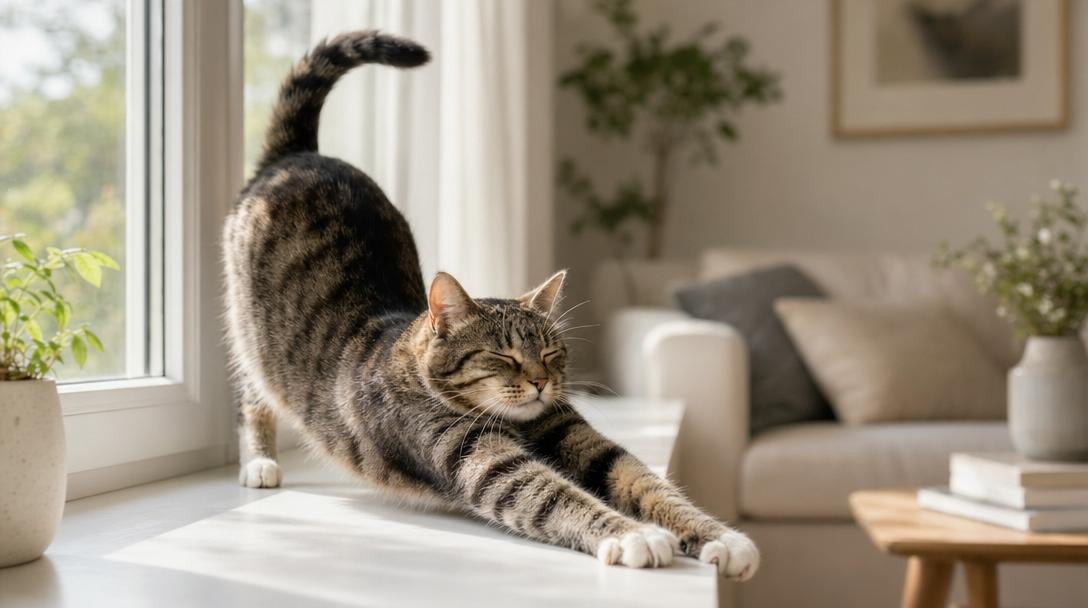
A cat scratching your new sofa while eyeing you smugly isn't a sign of malice—it's a battle between instinct and environment. Understanding feline behavior isn't just about fixing problems; it's about aligning your home with your cat's natural needs. These seven targeted strategies address the root causes behind common cat behavior issues, helping you build a calmer coexistence.
Scratching Furniture? Redirect Without Yelling
Cats scratch to shed claw sheaths, mark territory, and stretch muscles. Yelling or spraying water only teaches them to scratch when you're not around. Place a sisal post next to the targeted furniture and reward use with treats. Replace fabric-covered scratchers every 6 months as frayed surfaces deter use.
Pro Tip: Trim front nails every 2-3 weeks to minimize damage. Use styptic powder to stop bleeding if you accidentally cut too close.
Inappropriate Elimination Isn't Spiteful—Check Health First
A cat peeing outside the box is often signaling a urinary tract infection or arthritis pain. Rule out medical issues before behavioral fixes. If cleared, prioritize box placement: 1.5 times the number of cats in separate locations. Avoid scented liners that mimic dirty litter.
Did You Know: 70% of cats prefer uncovered boxes with 2-3 inches of unscented clumping litter.
Aggression During Play Means You're Reinforcing the Wrong Behavior
Biting ankles mid-sprint isn't play—it's predatory rehearsal. Letting kittens attack hands teaches them human skin equals prey. Use feather wands to simulate hunting: 10-minute sessions twice daily with frantic chase followed by 'kill bite' on the toy. Immediately leave the room if they attack you.
Pro Tip: Freeze mid-play if they get too rough. Resume only when they calm down, teaching self-control.
Excessive Meowing Often Signals Understimulation
Cats vocalizing at 3 a.m. aren't demanding midnight parties—they're bored. Implement 'food puzzles' that make them work for kibble, mimicking natural hunting patterns. Rotate toys weekly and install window perches for bird-watching entertainment.
Did You Know: Feral cats spend 70% of their day hunting. Domestic cats need mental stimulation to avoid behavioral issues.
Litter Box Avoidance Has Practical Solutions
Cats rejecting their box often indicate cleanliness issues. Scoop twice daily and deep-clean weekly with enzymatic cleaners. Place boxes away from noisy appliances but in high-traffic areas. Consider adding a second box on different floors for multi-level homes.
Pro Tip: Use a litter mat with a rubber backing to trap tracked particles. Replace mats monthly to maintain effectiveness.
Over-Grooming Indicates Stress or Medical Issues
Excessive licking that causes bald patches might stem from anxiety or allergies. Check for fleas or skin infections first. If medical causes are ruled out, introduce environmental enrichment like cardboard 'hunting tunnels' or pheromone diffusers to reduce stress.
Did You Know: Stress-induced over-grooming can lead to hairballs and skin infections if left unaddressed.
Fear-Based Reactions Require Patience, Not Punishment
A cat hiding from a new vacuum isn't being 'difficult'—they're experiencing sensory overload. Create safe zones with covered beds and vertical spaces. Gradually reintroduce triggers at low volume while offering treats. Never force interaction.
Pro Tip: Use Feliway diffusers in high-stress areas. These synthetic pheromones reduce anxiety in 80% of cases.
Effective cat behavior management hinges on understanding instinctual needs. When multiple strategies fail, consult a cat behavior professional to address complex issues before they escalate. Early intervention prevents temporary quirks from becoming lifelong habits.
Frequently Asked Questions
Why do cats scratch furniture?
Cats scratch furniture to shed claw sheaths, mark their territory, and stretch their muscles. Providing appropriate scratching posts and redirecting their behavior can help prevent damage to furniture.
What should I do if my cat urinates outside the litter box?
First, rule out medical issues like a urinary tract infection or arthritis pain by consulting a vet. If medical causes are excluded, ensure you have enough litter boxes (1.5 times the number of cats) in separate, quiet locations, and use unscented clumping litter.
How can I stop my cat from being aggressive during play?
Avoid using your hands as toys, as this teaches cats that human skin is prey. Instead, use interactive toys like feather wands for play sessions, allowing them to 'kill bite' the toy, and immediately disengage if they become too rough.
Why does my cat meow excessively, especially at night?
Excessive meowing often indicates understimulation or boredom. You can address this by providing food puzzles, rotating toys regularly, and installing window perches to offer mental enrichment and mimic natural hunting behaviors.
What are some solutions for litter box avoidance?
Litter box avoidance can be due to cleanliness issues, so scoop the box twice daily and deep-clean weekly with enzymatic cleaners. Ensure boxes are placed in accessible, quiet areas, and consider adding more boxes, especially in multi-level homes.
What causes a cat to over-groom?
Over-grooming can be a sign of anxiety, allergies, or other medical issues. After ruling out fleas or skin infections with a vet, introduce environmental enrichment like cardboard tunnels or pheromone diffusers to reduce stress.
How should I handle a cat that exhibits fear-based reactions?
When a cat shows fear, create safe zones with covered beds and vertical spaces. Gradually reintroduce triggers at a low intensity while offering treats, and never force interaction, as this can worsen their fear.