
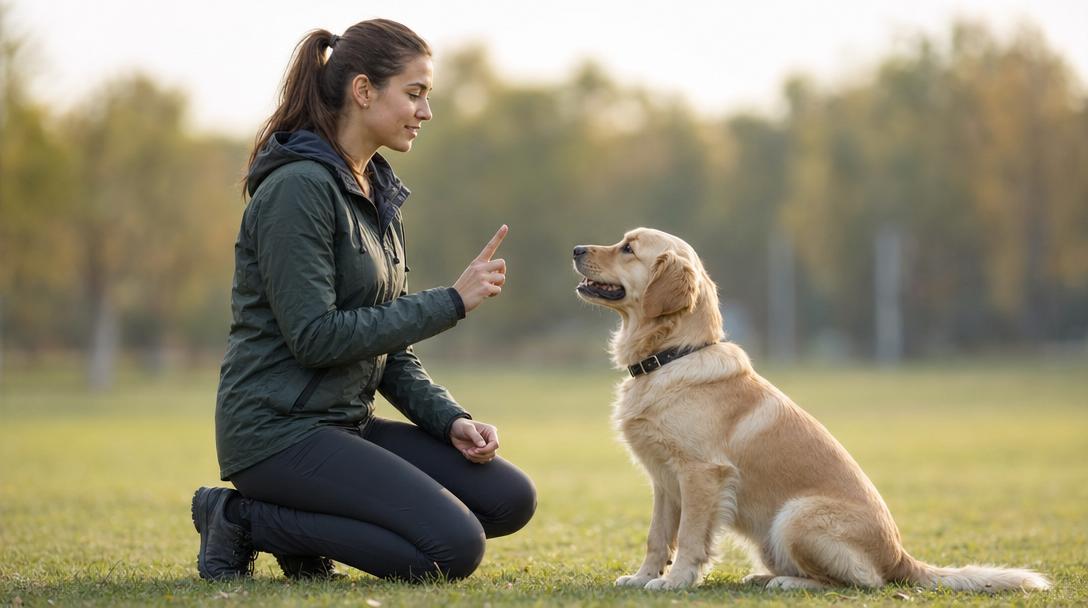
A 2026 survey revealed that 70% of dog owners seek professional training help within their pet's first year. Choosing the right dog training service transforms behavior issues into manageable habits while strengthening human-canine bonds. This guide walks you through the 10 essential steps to ensure your investment yields lasting results.
Step 1: Define Your Training Goals
Clarify specific outcomes before contacting services. Are you addressing leash aggression, housebreaking, or preparing for service dog certification? The RSPCA emphasizes that unclear expectations lead to 60% of training failures. For example, a dog with separation anxiety requires different expertise than a competition obedience prospect.
Warning: Don't assume trainers handle all issues equally. A 2026 study found 43% of pet owners switched trainers after discovering mismatched specialties.
Step 2: Assess Your Dog's Temperament
Document your dog's behavioral patterns, energy levels, and socialization history. Use Freedom Service Dogs' temperament checklist to identify triggers and learning preferences. A reactive rescue dog might need gradual desensitization, while a high-energy puppy benefits from structured play-based training.
Step 3: Research Local Services Strategically
Prioritize providers listed in dog training near me directories with verified 2026 certifications. Cross-reference reviews with the Better Business Bureau. In urban areas, compare at least five services; rural clients should expand searches to 50-mile radii. Note facilities offering virtual follow-ups for remote support post-training.
Step 4: Verify Professional Credentials
Confirm trainers hold current certifications from recognized bodies like the Association of Professional Dog Trainers (APDT) or International Association of Assistance Dog Partners (IAADP). Check Freedom Service Dogs' manual requirements for service animal trainers—these standards often indicate higher expertise even for basic obedience programs.
Step 5: Schedule Consultations
Use initial meetings to evaluate compatibility. Ask about success rates with your specific issue, cancellation policies, and post-training support. A reputable trainer will ask detailed questions about your dog's health and household environment before agreeing to work with you.
Step 6: Evaluate Training Methods
Prioritize services using positive reinforcement techniques aligned with RSPCA guidelines. Avoid trainers relying on dominance theory or punitive tools like shock collars. Ask for demonstrations of specific exercises they'll use for your dog's behavioral issues.
Step 7: Review Contracts Thoroughly
Scrutinize fine print for hidden fees, progress guarantees, and liability clauses. A 2026 industry audit found 28% of training contracts contained ambiguous terms about refund policies. Ensure written agreements specify measurable milestones and timelines for achieving them.
Step 8: Prepare Your Dog for Training
Implement pre-training routines recommended by the service. This might include establishing consistent feeding schedules, crate training, or basic command exposure. Freedom Service Dogs' 30-day bonding protocol highlights the importance of stable routines before formal training begins.
Step 9: Monitor Progress Actively
Request regular progress reports with video documentation. Participate in scheduled update sessions to learn how to reinforce techniques at home. If improvements stall beyond the agreed timeline, invoke contract provisions for strategy adjustments or partial refunds.
Step 10: Continue Training Post-Service
Plan for follow-up sessions and at-home practice. The most successful outcomes occur when owners maintain 15+ minutes of daily training for six months post-program. Use the service's refresher courses and public access test resources to solidify long-term behavioral changes.
Key Takeaway: Effective dog training requires ongoing commitment—research shows dogs retain skills best when owners dedicate at least 15 minutes daily for six months post-training.
Choosing the right dog training service creates a well-mannered companion while preventing future behavioral crises. Remember to document progress through photos and videos—this visual record helps track subtle improvements and provides evidence if disputes arise about training effectiveness. The ultimate success metric is your dog's ability to handle real-world situations confidently by the end of 2026.
Frequently Asked Questions
What percentage of dog owners seek professional training within their pet's first year?
A 2026 survey indicated that 70% of dog owners seek professional training assistance for their pet within its first year. This highlights the common need for expert guidance in a dog's early development.
Why is it important to define training goals before hiring a dog trainer?
Defining specific training goals is crucial because unclear expectations lead to 60% of training failures, according to the RSPCA. Different issues, such as separation anxiety versus competition obedience, require specialized expertise from trainers.
What kind of credentials should I look for in a dog trainer?
You should verify that trainers hold current certifications from recognized bodies like the Association of Professional Dog Trainers (APDT) or the International Association of Assistance Dog Partners (IAADP). These certifications often indicate a higher level of expertise and adherence to professional standards.
What training methods should I prioritize when choosing a service?
Prioritize services that use positive reinforcement techniques, which are aligned with RSPCA guidelines. It is advisable to avoid trainers who rely on dominance theory or punitive tools like shock collars.
How long should owners continue training after a professional service concludes?
For the most successful outcomes, owners should continue with at least 15 minutes of daily training for six months post-program. This ongoing commitment helps dogs retain skills and solidifies long-term behavioral changes.