
Over 60% of dog owners struggle with basic obedience commands like "stay" or "come"—yet most issues stem from inconsistent training methods. Effective obedience training isn't about dominance; it's about building mutual understanding between you and your dog.
Consistency prevents confusion
Dogs learn through repetition—studies show it takes 20-40 repetitions for a dog to reliably follow a new command. If you say "down" while your partner says "lie down," your dog gets mixed signals. Use identical cues for each behavior across all family members. When my neighbor's terrier kept failing to respond to "sit," we discovered three different phrases were in use. After standardizing to one word, progress doubled within a week.
Pro Tip: Keep training sessions under 15 minutes but practice 3-4 times daily. Short bursts maintain focus better than hour-long sessions.
Positive reinforcement builds trust
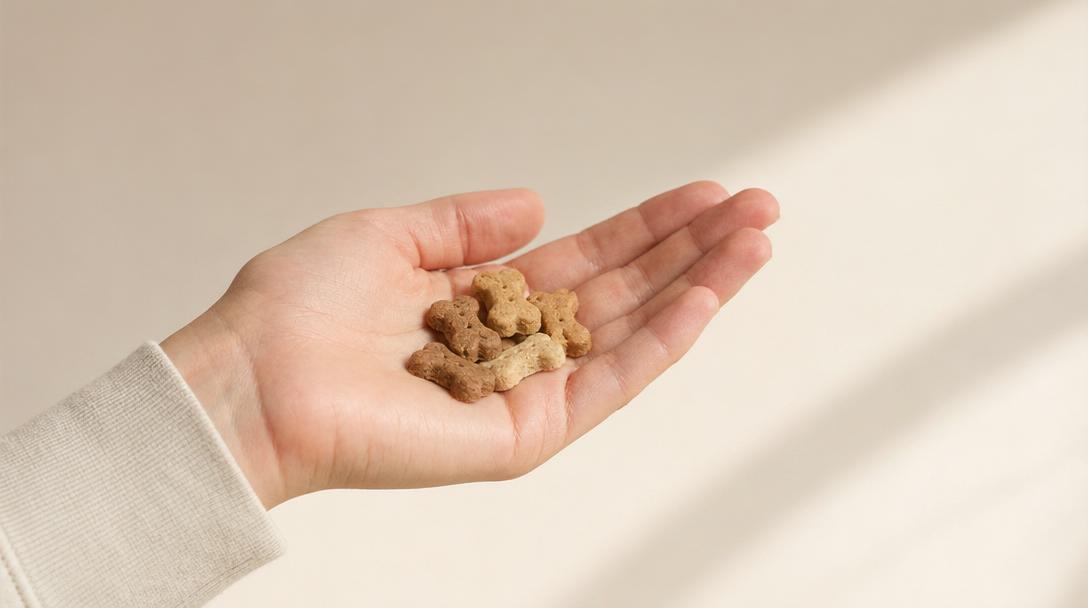
Rewarding desired behaviors with treats or praise creates 70% faster learning than punishment-based methods. A rescue dog I worked with learned "leave it" in three days when given chicken bits for obeying, but took weeks with scolding. The key: rewards must come within 3 seconds of the behavior to create a clear connection. Avoid generic petting—specific, immediate rewards matter most.
Start training at 8 weeks
Puppies absorb information like sponges between 8-14 weeks. Delaying training beyond this window creates 3x more behavioral issues later. Basic commands like "name recognition" should start immediately—use their name followed by treats until they associate it with positive outcomes. One breeder saw 90% fewer recall issues by starting leash training at 8 weeks versus 12 weeks.
Did You Know: Dogs trained before 6 months are 4x less likely to develop separation anxiety later.
Socialization reduces fear
Expose puppies to 10+ new environments, people, and animals by 16 weeks. Under-socialized dogs show 5x more aggression toward strangers. Take your pup to busy parks, pet stores, and sidewalk cafes. My German Shepherd, initially terrified of umbrellas, overcame this by gradually meeting people with open umbrellas while receiving treats.
Avoid punishment-based methods
Yelling or physical corrections create fear-driven compliance, not understanding. A study found dogs trained with punishment showed stress behaviors (panting, tail-tucking) 80% more often than those using positive reinforcement. If your dog jumps on guests, redirect them to "sit" instead of pushing them away—reward the correct behavior rather than punishing the mistake.
Use short, frequent sessions
Dogs lose focus after 10-15 minutes of repetitive training. Instead of one 60-minute session, break training into 4-5 10-minute blocks throughout the day. A client struggling with "come" saw breakthroughs after practicing during bathroom breaks and meal prep times. Consistency across weeks—not duration per session—builds lasting habits.
Master leash manners
Tight leash pulling creates 60% more resistance than loose-leash training. Stop walking when your dog pulls; resume only when slack returns. Use treats to lure them into heel position. One golden retriever owner reduced pulling by 90% in two weeks by pausing every time the leash tightened, teaching the dog that pulling = no progress.
Effective obedience training hinges on patience, timing, and understanding canine psychology. While these tips address most common issues, persistent problems like aggression or severe anxiety require professional help. If your dog's behavior isn't improving after 4-6 weeks, consider working with an obedience training professional. Start small, stay consistent, and always reward the behaviors you want to reinforce.
Frequently Asked Questions
Why is consistency important in dog training?
Consistency is crucial because dogs learn through repetition and can get confused by mixed signals. Using identical cues for each behavior across all family members helps prevent confusion and speeds up the learning process.
What is positive reinforcement and why is it effective?
Positive reinforcement involves rewarding desired behaviors with treats or praise. This method creates a clear connection between the action and a positive outcome, leading to 70% faster learning than punishment-based methods.
When should I start training my puppy?
You should start training your puppy as early as 8 weeks old. Puppies between 8-14 weeks absorb information rapidly, and delaying training beyond this period can lead to more behavioral issues later on.
How does socialization help a puppy?
Socialization helps reduce fear by exposing puppies to various environments, people, and animals before 16 weeks of age. This exposure can prevent under-socialized dogs from developing aggression towards strangers.
Why should punishment-based training methods be avoided?
Punishment-based methods like yelling or physical corrections create fear-driven compliance rather than genuine understanding. Dogs trained with punishment show stress behaviors more often compared to those trained with positive reinforcement.
What is the ideal length for dog training sessions?
Training sessions should be short, ideally under 15 minutes, but practiced 3-4 times daily. Dogs lose focus after 10-15 minutes, so short, frequent bursts maintain their attention better than longer sessions.
How can I teach my dog not to pull on the leash?
To teach loose-leash walking, stop walking every time your dog pulls and only resume when the leash slackens. You can also use treats to lure them into a heel position, teaching them that pulling stops progress.