
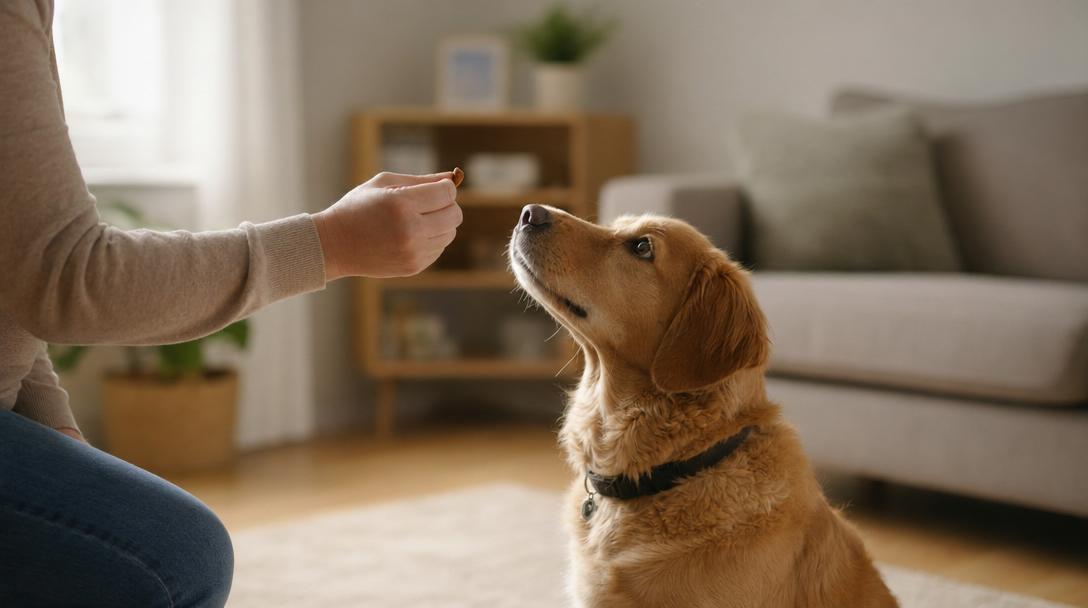
A 2023 study found that 68% of pets experience anxiety when their owners travel, making clear instructions for pet sitters crucial for their well-being. Proper preparation prevents stress-related behaviors, from destructive chewing to health issues. These 10 pet sitting tips cover practical steps to protect your pet and ensure seamless care.
Provide Detailed Pet Profiles
Pets respond better to sitters who understand their personalities. For example, a timid rescue dog might require specific handling cues, while a senior cat could need medication reminders. Include details like dietary preferences, favorite toys, and common stress signals. Sitters who misinterpret aloofness as indifference may overlook a cat’s hidden health problems.
Pro Tip: Use a template that lists each pet’s microchip number, vet contact, and emergency protocols in one document. This helps if you need a pet sitting service later.
Secure Hazardous Household Items
A client once returned to find their parrot had chewed through a curtain cord, creating a strangulation hazard. Remove toxic plants like lilies (which kill cats), secure trash cans, and hide electrical cords. Even 'pet-safe' rooms can hide dangers—check under furniture for small objects that dogs might swallow.
Did You Know: Over 20% of pet emergencies during travel involve household toxins. Ask your pet sitting near me provider to inspect rooms before starting.
Maintain Daily Routines
Dogs thrive on consistency—sudden changes in feeding times or walk routes increase anxiety. One client’s terrier developed colitis after a sitter switched to midnight walks. Share specifics: 'Walks start at 7 AM, and food is served at 6 PM sharp.' Deviating from routines can trigger behavioral setbacks.
Document Unique Behavioral Cues
A sitter might misinterpret a pacing dog as needing more exercise, when it actually signals separation anxiety. Note subtle signs: does your parrot preen excessively when stressed? Does your rabbit thump its foot before hiding? Clear descriptions let sitters address issues before they escalate.
Use Pet-Specific Training Resources
Pet sitters who complete pet sitting classes identify health risks 40% faster than untrained caregivers. For example, trained sitters recognize early signs of feline diabetes, like increased water intake. Certification programs also teach safe restraint techniques for aggressive pets.
Pro Tip: Prioritize sitters with first-aid training and access to 24/7 veterinary hotlines.
Verify Professional Credentials
One family returned early to find their sitter had left the stove on while walking their dog. Check references, review certifications (like Pet Sitters International accreditation), and confirm liability insurance. A qualified pet sitting professional should gladly share proof of training.
Test Communication Systems
A vacationer in 2025 lost contact with her sitter during a hurricane, delaying care for her diabetic cat. Test photo updates via email, video calls, or apps like Time to Pet before departure. Confirm who steps in if the primary sitter becomes unavailable.
Did You Know: 30% of pet owners regret not establishing check-in protocols. Use apps with GPS tracking for walks.
Avoid Overloading with Instructions
A 12-page manual intimidated a first-time sitter into quitting before starting. Prioritize critical details: 'Administer insulin twice daily' vs. 'Fluff couch pillows after naps.' Use bullet points for clarity and highlight non-negotiable rules in bold.
Prepare a Safe Space
A designated 'safe room' with food, water, and familiar bedding calms pets during chaotic situations like thunderstorms or houseguests. One client’s dog panicked during fireworks until the sitter moved him to a soundproof basement with his favorite blanket.
Plan for Medical Emergencies
A sitter once gave a vomiting dog a human anti-nausea pill—incorrectly dosed. Provide written consent for emergency vet visits, list local 24-hour clinics, and specify who authorizes treatment if you’re unreachable. Include your vet’s digital records access details.
Proper preparation turns temporary care into a stress-free experience. Start organizing materials at least a week before travel. Download a pet profile template from a pet sitting resource and schedule a trial run with your sitter to observe how they handle routines and unexpected situations.
Frequently Asked Questions
Why is it important to provide detailed pet profiles to a pet sitter?
Detailed pet profiles help sitters understand your pet's personality, dietary preferences, and stress signals. This understanding allows them to provide better care and avoid misinterpreting behaviors that could indicate health issues.
What kind of household items should be secured before a pet sitter arrives?
You should secure hazardous items such as toxic plants like lilies, trash cans, and electrical cords. Even 'pet-safe' rooms can hide dangers, so check under furniture for small objects pets might swallow.
How does maintaining daily routines benefit pets with a sitter?
Maintaining daily routines, such as consistent feeding times and walk schedules, helps reduce anxiety in pets. Deviating from these routines can trigger behavioral setbacks and stress.
Why should pet owners document unique behavioral cues for their sitters?
Documenting unique behavioral cues helps sitters understand subtle signs of stress or anxiety in pets. This allows them to address issues proactively before they escalate, rather than misinterpreting behaviors.
What are the benefits of hiring a pet sitter with specific training resources?
Pet sitters who have completed pet sitting classes can identify health risks 40% faster than untrained caregivers. Certification programs also teach safe restraint techniques and help them recognize early signs of illness.
What should pet owners do to verify a pet sitter's professional credentials?
Pet owners should check references, review certifications like Pet Sitters International accreditation, and confirm liability insurance. A qualified professional should be willing to provide proof of their training.
Why is it important to test communication systems with a pet sitter before leaving?
Testing communication systems ensures you can stay in contact with your sitter, especially during emergencies. This includes confirming how photo updates will be sent and who will step in if the primary sitter becomes unavailable.
What is the purpose of preparing a safe space for a pet?
A designated 'safe room' with food, water, and familiar bedding helps calm pets during stressful situations like thunderstorms or houseguests. This provides them with a secure and comfortable environment.
What information should be provided to a pet sitter for medical emergencies?
You should provide written consent for emergency vet visits, a list of local 24-hour clinics, and specify who can authorize treatment if you are unreachable. Include your vet’s contact information and digital records access details.