
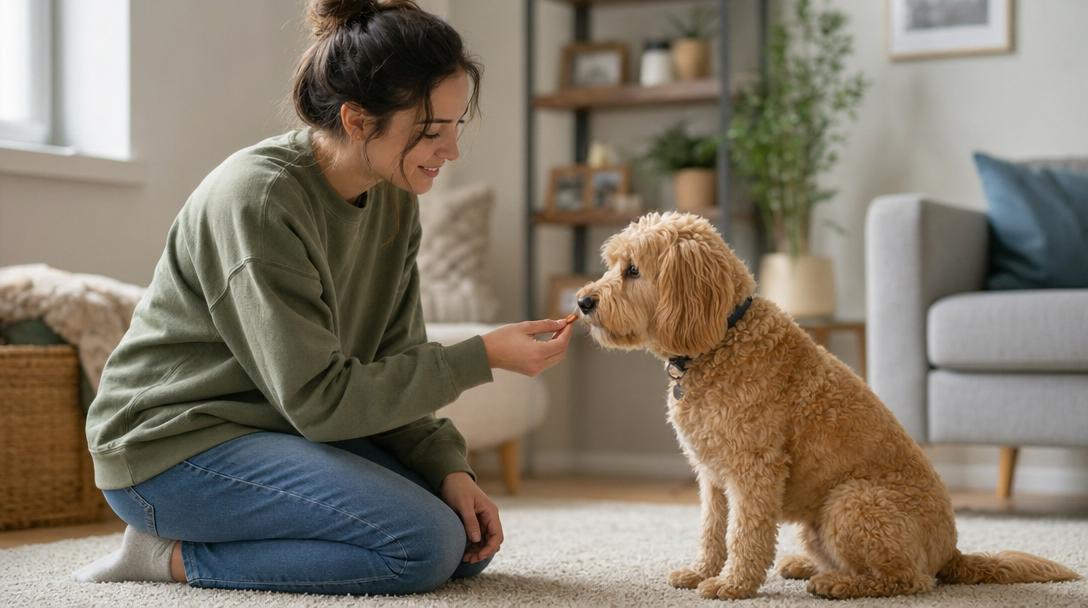
Over 80% of pet owners use professional pet sitting services at least once. A qualified pet sitting professional ensures your pet stays in their familiar environment with personalized care while you travel. This guide walks you through vetting candidates, preparing your home, and avoiding costly mistakes.
Step 1: Evaluate Your Pet's Specific Needs
Identify your pet's temperament, medical requirements, and daily routine. A senior dog may need medication management, while an anxious cat requires a quiet environment. Document feeding schedules, favorite toys, and behavioral quirks. This information helps you screen candidates who can meet these needs. A common oversight is forgetting to mention pets with special diets or separation anxiety.
Warning: Failing to disclose medical conditions upfront can lead to emergencies. Always share vet contact details and medication instructions with potential sitters.
Step 2: Vet Pet Sitting Professionals Thoroughly
Start by asking for recommendations from local pet stores or veterinary clinics. Use platforms like pet sitting near me to find local providers with verified reviews. Check certifications from pet sitting classes or organizations like Pet Sitters International. Conduct video interviews to assess their experience with similar pets. Ask for references and watch how they interact with your pet during trial visits.
Step 3: Secure Your Home for the Pet's Safety
Remove hazardous items like toxic plants and secure trash cans. Label pet food storage areas and emergency supplies. Install pet-proof locks on windows and gates. Provide a designated safe space for your pet to retreat to if overwhelmed. Test smart cameras or doorbell systems to monitor activity remotely. A common mistake is leaving breakable items within reach of curious pets.
Step 4: Create a Comprehensive Care Guide
Write a printed and digital guide covering feeding instructions, medication schedules, walking routes, and favorite commands. Include emergency numbers, vet details, and behavioral notes. Add photos of your pet's routine—like their preferred nap spots or how to operate their automatic feeder. Use bullet points for quick reference. Many sitters struggle with vague instructions like "feed twice daily" when portion sizes and specific times matter.
Step 5: Conduct a Trial Sitting Session
Arrange a 24-hour trial before your trip. Observe how the sitter follows your care guide and interacts with your pet. Test communication by requesting photo updates or a video call. This trial reveals compatibility issues or gaps in instructions. Skip this step at your peril—a rushed onboarding often leads to missed feedings or unsafe situations.
Step 6: Finalize Logistics and House Rules
Confirm check-in/check-out times, payment terms, and access details like alarm codes or Wi-Fi passwords. Specify rules about guests, TV/music volume, and housekeeping duties. Misunderstandings about these details cause 40% of post-assignment disputes. Provide written confirmation of agreements to avoid confusion. A professional pet sitting service will proactively clarify expectations before your departure.
Warning: Assuming verbal agreements are sufficient leads to conflicts. Always document house rules and payment schedules in writing.
Step 7: Prepare for Emergency Scenarios
Walk the sitter through evacuation routes, fire exits, and pet carrier locations. Demonstrate how to use first aid supplies and where to find emergency vet clinics. Discuss protocols for extreme weather or power outages. Practice retrieving pets from hiding spots. Many owners overlook testing emergency procedures until it's too late.
Step 8: Debrief and Provide Feedback
After returning, review the sitter's notes and compare them to your pet's behavior. Address any discrepancies in care immediately. Leave detailed feedback on platforms to help others find reliable pet sitting professionals. Use lessons learned to refine your process for future trips. A post-sitting review ensures continuous improvement in pet care arrangements.
Key Takeaway: The best pet sitting experiences combine thorough preparation with clear documentation. Always prioritize sitters who proactively ask questions about your pet's unique needs over those offering generic solutions.
By following these steps, you'll create a safe, low-stress environment for your pet while gaining peace of mind. For ongoing success, revisit your care guide and emergency protocols annually to account for your pet's changing needs. Technology like pet activity monitors and GPS trackers now makes remote oversight easier than ever before.
Frequently Asked Questions
Why should I choose a pet sitter instead of other pet care options?
A pet sitter allows your pet to remain in their familiar home environment, which can reduce stress while you are away. They provide personalized, one-on-one attention and help maintain your pet's routine and habits.
What information should I provide to a pet sitter?
You should provide a comprehensive care guide including feeding instructions, medication schedules, walking routes, and emergency contacts. Also include details about your pet's temperament, medical requirements, and daily routine.
How can I find a reliable pet sitting professional?
You can ask for recommendations from local pet stores or veterinary clinics, and use online platforms to find local providers with verified reviews. It's also helpful to check for certifications from pet sitting classes or organizations like Pet Sitters International.
Why is a trial sitting session important?
A trial sitting session allows you to observe how the sitter interacts with your pet and follows your care guide before your actual trip. This helps identify any compatibility issues or gaps in instructions, preventing potential problems later.
What should I do to prepare my home for a pet sitter?
You should remove hazardous items, secure trash cans, and label pet food and emergency supplies. Install pet-proof locks and provide a designated safe space for your pet to retreat to.