
Regular grooming isn't just about aesthetics—it's a health necessity. The ASPCA reports that 80% of skin issues in pets stem from poor grooming habits. Whether you're a new pet owner or looking to refine your skills, this guide will walk you through the process to keep your pet healthy, comfortable, and looking their best.
Step 1: Prepare the Right Tools and Environment
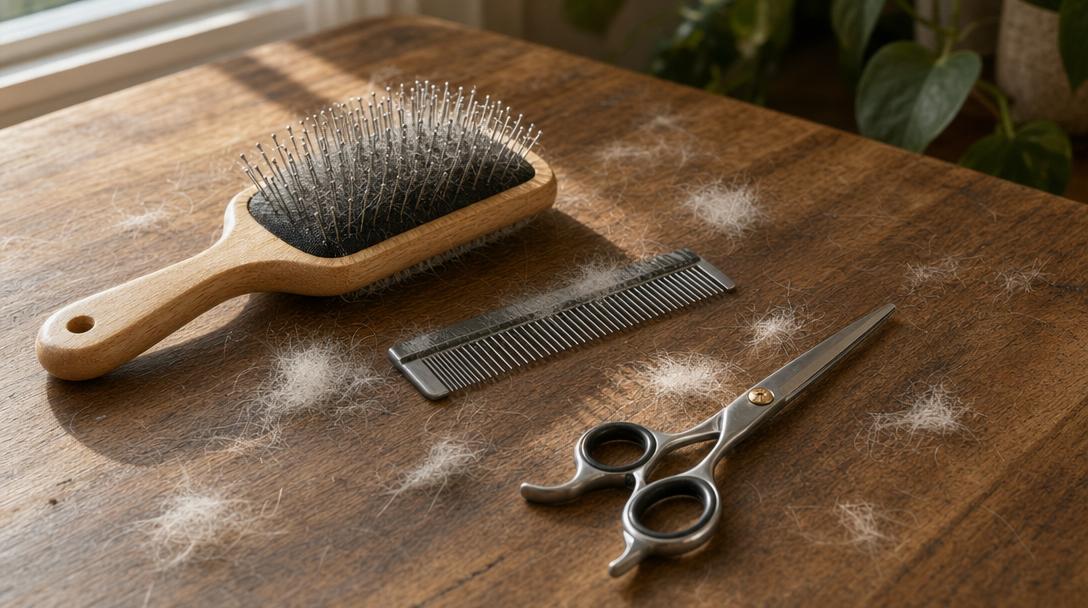
Start by gathering species-specific tools. Dogs with thick coats need a slicker brush, while cats require a fine-tooth comb. Include a rubber grooming mitt, nail clippers, ear wipes, and pet-safe shampoo. Work in a quiet space with non-slip flooring—bathrooms or laundry rooms work best. Pro tip: Test all tools on a small area first to gauge your pet's comfort level.
Warning: Using dull clippers or inappropriate shampoos can cause skin irritation or injuries. Always invest in quality tools designed for pets.
Step 2: Brush Your Pet’s Coat Thoroughly
Begin with a detangling session. For long-haired breeds, start at the ends and work upward to avoid pulling knots. Short-haired pets benefit from a quick slicker brush to remove loose hair. This step prevents matting and reduces shedding by up to 40%. A common mistake: Rushing through brushing—take 5-10 minutes per session to build trust and identify skin abnormalities.
Step 3: Bathe Your Pet Using Safe Techniques
Use lukewarm water and a shampoo formulated for your pet's pH level. Human products can disrupt their skin barrier. Apply shampoo in a circular motion, avoiding the face. Rinse thoroughly—leftover suds cause itchiness. For anxious pets, consider a calming oatmeal-based formula. Never submerge a cat's head; use a damp washcloth instead.
Step 4: Trim Nails Carefully to Avoid Injury
Hold the paw firmly and clip only the curved tip, avoiding the pink quick. For light-colored nails, the quick is visible—if unsure, trim small amounts. A missed quick avoids bleeding, but a slip requires immediate styptic powder application. If your pet resists, schedule trims after meals when they're calmer. Consider using a nail grinder for smoother edges.
Step 5: Clean Ears and Teeth for Overall Health
Ear infections affect 20% of dogs annually. Use a vet-approved ear cleaner and cotton balls—never Q-tips. Wipe teeth with pet-specific toothpaste to prevent plaque buildup. Start with 30-second sessions to acclimate your pet. Prioritize dental care: Pets over age 3 show signs of gum disease without regular cleanings.
Step 6: Handle Sensitive Areas with Caution
Trim fur around paws, eyes, and genitals last. Use rounded-tip scissors and keep sessions short to prevent stress. For facial areas, consider using electric trimmers with guards. A common error: Over-trimming delicate skin folds—always follow natural contours. If your pet becomes agitated, pause and retry later.
Step 7: Finish with a Final Inspection
Check for missed tangles, uneven cuts, or irritated skin. Reward your pet with treats and praise. Regular grooming every 4-6 weeks maintains coat health and strengthens your bond. If you notice persistent issues like redness or excessive shedding, consult a pet grooming professional or vet.
Key Takeaway: Consistency matters more than perfection. Even weekly brushing and nail checks prevent most grooming-related health problems.
Mastering pet grooming requires patience, not perfection. By following these steps, you'll create a safer, more comfortable routine for your pet. For advanced techniques, consider pet grooming classes—your efforts today ensure a happier, healthier companion for years to come.
Frequently Asked Questions
Why is regular pet grooming important?
Regular grooming is crucial for a pet's health, not just their appearance. The ASPCA reports that 80% of pet skin issues originate from poor grooming habits. Consistent grooming helps prevent matting, reduces shedding, and allows owners to identify potential health problems early.
What tools are essential for pet grooming at home?
Essential grooming tools include species-specific brushes (slicker for thick coats, fine-tooth comb for cats), a rubber grooming mitt, nail clippers, ear wipes, and pet-safe shampoo. It's important to use quality tools designed for pets to avoid irritation or injury.
How can I prevent matting and reduce shedding in my pet?
Thorough brushing is key to preventing matting and reducing shedding by up to 40%. For long-haired pets, start brushing at the ends and work upwards, while short-haired pets benefit from a quick slicker brush. Dedicate 5-10 minutes per session to effectively remove loose hair and detangle.
What is the correct way to bathe my pet?
Bathe your pet using lukewarm water and a shampoo specifically formulated for their pH level, as human products can harm their skin barrier. Apply shampoo in a circular motion, avoiding the face, and rinse thoroughly to prevent itchiness from leftover suds. For cats, use a damp washcloth for their head instead of submerging it.
How do I trim my pet's nails safely?
To trim your pet's nails safely, hold the paw firmly and clip only the curved tip, being careful to avoid the pink quick. If the quick is accidentally cut, apply styptic powder immediately to stop bleeding. For pets that resist, try trimming after meals when they are calmer, or consider using a nail grinder for smoother edges.
Why is dental and ear care important for pets?
Dental and ear care are vital for a pet's overall health; ear infections affect 20% of dogs annually, and pets over age 3 often show signs of gum disease without regular cleanings. Use a vet-approved ear cleaner with cotton balls for ears and pet-specific toothpaste for teeth to prevent plaque buildup and infections.
How often should I groom my pet?
Regular grooming every 4-6 weeks helps maintain coat health and strengthens the bond with your pet. Consistency, even with weekly brushing and nail checks, is more important than perfection and can prevent most grooming-related health problems.