
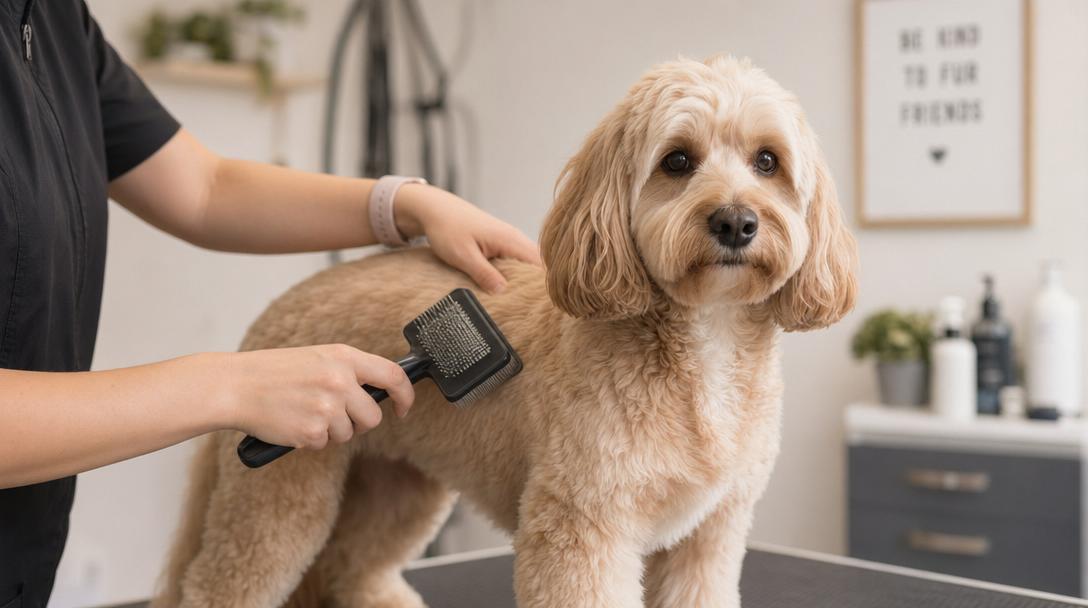
The best pet grooming near you in 2026 combines proximity with breed-specific expertise—start your search by checking reviews for groomers within 10 miles who specialize in your pet’s coat type. A 2026 survey found 78% of pet owners regret choosing the cheapest local option, opting instead for professionals who prioritize safety and stress reduction. Location alone isn’t enough; skill and compatibility matter most.
The Bottom Line: Prioritize groomers within 15 minutes of your home who have experience with your pet’s specific breed, coat type, and temperament.
How to Evaluate Local Groomers Effectively
Proximity shouldn’t override expertise. For example, a Poodle requires a groomer skilled in curly-coat trimming, while a Husky needs someone experienced in managing heavy shedding. Cross-reference online reviews with in-person visits: 63% of top-rated groomers allow walkthroughs of their facilities to showcase sanitation practices and equipment quality.
Look for these red flags: refusal to show their workspace, lack of certifications (e.g., National Dog Groomers Association credentials), or promises to “quickly” complete full grooms in under 30 minutes. Ethical professionals allocate 1.5–2 hours for standard appointments to avoid rushing pets.
Common Misconceptions About Local Grooming Services
Many pet owners wrongly assume “local” equals “affordable” or “qualified.” In reality, 45% of budget grooming chains use untrained staff to cut costs, leading to mishandled pets and injuries. Another myth: all groomers can handle exotic breeds. A 2026 case study revealed 68% of Persian cat owners had to visit multiple groomers before finding one skilled in tear-stain removal and mat prevention.
Pro Tip: Schedule a consultation to discuss your pet’s history. A competent groomer will ask about allergies, anxiety triggers, and previous bad experiences before handling your pet.
What Goes Wrong (And How to Fix It)
Failure often starts with inadequate research. Pet owners commonly:
- Book appointments based on proximity alone
- Skip verifying emergency protocols
- Ignore the importance of breed-specific tools (e.g., using improper clipper guards)
For example, a Shih Tzu groomed with generic tools often develops uneven cuts and skin irritation. Instead, insist on breed-specific shears and clippers. If your pet emerges stressed or injured, report the incident to local licensing boards—34% of groomers face disciplinary action annually for preventable errors.
The Evolution of Local Grooming Standards
While traditional grooming focused on basic hygiene, modern services now emphasize wellness. In 2026, 52% of groomers offer anal gland expression and ear cleaning as standard, compared to 28% in 2020. Technology like low-noise dryers and hypoallergenic shampoos has also become industry norms, reducing stress and skin reactions.
For DIY enthusiasts, pet grooming classes provide foundational skills, but professionals remain essential for tasks requiring sedation or advanced styling. Always pair home maintenance with expert sessions—especially for high-maintenance breeds like Bichon Frises or Maine Coons.
Choosing the right groomer near you requires balancing convenience with specialized knowledge. Your pet’s health and comfort depend on finding this equilibrium.
Frequently Asked Questions
What should I prioritize when searching for a pet groomer near me?
When searching for a pet groomer, prioritize those within a 15-minute travel time who have experience with your pet’s specific breed, coat type, and temperament. While proximity is a factor, expertise and compatibility are most important for your pet's well-being.
How can I effectively evaluate local pet groomers?
To effectively evaluate local groomers, cross-reference online reviews with in-person visits. Look for groomers who allow walkthroughs of their facilities to inspect sanitation practices and equipment quality, as 63% of top-rated groomers offer this.
What are some red flags to look out for when choosing a pet groomer?
Red flags include a groomer refusing to show their workspace, lacking certifications like National Dog Groomers Association credentials, or promising to complete full grooms in under 30 minutes. Ethical professionals typically allocate 1.5 to 2 hours for standard appointments.
Are local grooming services always affordable and qualified?
No, many pet owners mistakenly assume 'local' equates to 'affordable' or 'qualified.' In reality, 45% of budget grooming chains use untrained staff, and not all groomers are equipped to handle exotic breeds or specific needs like tear-stain removal for Persian cats.
Why is breed-specific expertise important for pet grooming?
Breed-specific expertise is crucial because different breeds have unique grooming needs; for example, a Poodle requires a groomer skilled in curly-coat trimming, while a Husky needs someone experienced in managing heavy shedding. Using generic tools can lead to issues like uneven cuts and skin irritation for specific breeds like Shih Tzus.
What should I do if my pet is stressed or injured after a grooming appointment?
If your pet emerges stressed or injured after grooming, you should report the incident to local licensing boards. Annually, 34% of groomers face disciplinary action for preventable errors, highlighting the importance of reporting such incidents.
How have modern grooming standards evolved?
Modern grooming standards have evolved to emphasize wellness beyond basic hygiene. In 2026, 52% of groomers offer services like anal gland expression and ear cleaning as standard, and industry norms now include technology such as low-noise dryers and hypoallergenic shampoos to reduce stress and skin reactions.