
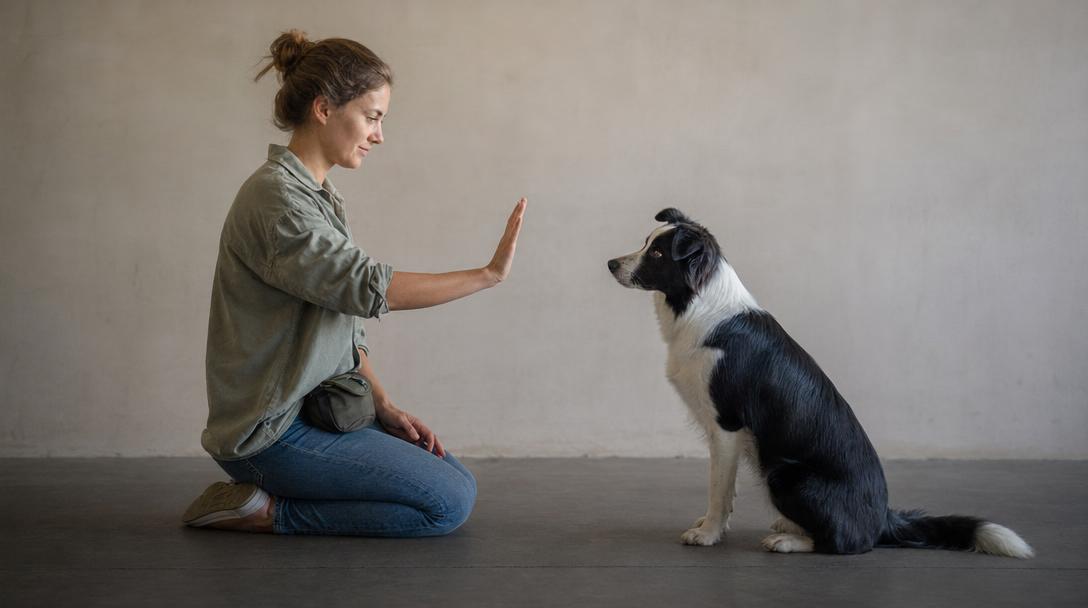
A dog chewing through your favorite shoes isn’t a behavioral flaw—it’s a communication gap. Over 70% of pet owners report frustration with untrained behaviors, but consistent training builds mutual understanding. This guide provides a proven framework to teach commands, address habits, and strengthen trust with your dog using modern, reward-based methods.
Step 1: Prepare Your Training Environment and Tools
Create a distraction-free space with minimal noise and foot traffic. Equip yourself with high-value treats (small pieces of chicken or cheese), a 6-foot leash, and a properly fitted harness or collar. Avoid aversive tools like shock collars—studies show they damage trust and increase anxiety. For example, a dog startled by a shock collar during training may associate pain with specific commands, causing long-term fear responses. Instead, use clicker training or verbal markers like “yes!” to reinforce desired actions immediately.
Warning: Never train when either you or your dog are tired or stressed. A 2026 study in the Journal of Veterinary Behavior found that dogs trained under stress retain 40% less information than those in calm environments.
Step 2: Teach Basic Commands with Consistency
Start with “sit,” “stay,” and “come.” Hold a treat above your dog’s nose, slowly move it backward over their head—this naturally prompts sitting. Say “sit” clearly as their butt touches the floor, then reward. Repeat 5-10 times per session. Common mistakes include using inconsistent hand signals or letting your dog “win” by giving attention after disobedience. For instance, if your dog ignores “sit” but gets a treat when they finally comply, they learn that ignoring commands pays off. Instead, withhold rewards until the desired behavior occurs. Link dog training tips for visual guides on hand signals.
Step 3: Introduce Socialization in Controlled Environments
Socialization builds on mastered basic commands by testing them in new settings. Start with low-pressure scenarios: practice “sit” at a quiet park, then gradually introduce distractions like bicycles or skateboarders. A common error is overwhelming dogs with chaotic environments too soon—this erodes confidence. For example, taking an untrained puppy to a dog park risks trauma. Instead, use structured playdates with vaccinated dogs to reinforce commands amid mild distractions. Enroll in dog training classes for guided socialization after mastering basics.
Step 4: Redirect Unwanted Behaviors Immediately
Chewing, barking, and leash pulling require instant redirection, not punishment. For example, if your dog jumps on guests, turn away and ignore until all four paws are on the floor—then reward calmness. A 2026 survey by the Association of Professional Dog Trainers found that 82% of owners mistakenly yell at dogs for accidents, which worsens anxiety-based elimination. Instead, use enzymatic cleaners to remove scent markers and confine your dog to a puppy-proofed area until fully house-trained. For severe issues like separation anxiety, consult a dog training professional.
Step 5: Establish Consistent Routines and Boundaries
Dogs thrive on predictability. Feed, walk, and train at the same times daily. Designate areas (e.g., “off-limits” furniture) and enforce rules consistently. A frequent mistake is allowing jumping on the couch during the day but punishing it at night—this confuses dogs. Use management tools like baby gates to prevent access to restricted zones. When introducing crate training, make the crate a positive space with treats and toys. If your dog whines at night, resist the urge to comfort them immediately—this reinforces attention-seeking behavior.
Step 6: Progress to Advanced Training and Mental Stimulation
Once basics are solid, teach tricks like “roll over” or “fetch specific toys by name.” Use shaping—rewarding incremental steps toward the final behavior. For example, to teach “fetch the leash,” reward sniffing the leash, then touching it with their nose, then grabbing it. Incorporate food puzzles and scent work to prevent boredom-related destruction. Rotate toys weekly to maintain interest. Advanced training should occur only after 15 minutes of physical exercise to improve focus.
Step 7: Review and Refine Your Training Strategy
Track progress in a notebook: note successful sessions, challenging scenarios, and behavioral shifts. If your dog regresses after a stressful event (e.g., fireworks), revisit foundational training before advancing. A common mistake is expecting linear progress—setbacks indicate areas needing adjustment, not failure. Replace vague commands like “no running” with specific cues like “sit” when approaching doors. Celebrate small wins like improved eye contact or quicker responses to commands.
Key Takeaway: Training isn’t a linear process—setbacks indicate areas needing adjustment, not failure. Celebrate small wins like improved eye contact or quicker responses to commands.
By following these steps, you’ll build a responsive, confident dog who understands expectations. The result? A 60% reduction in common behavior problems and a stronger bond with your pet. Remember: consistency trumps intensity. Even 10-minute daily sessions with clear communication yield better results than sporadic hour-long drills. For complex issues, don’t hesitate to seek expert guidance—professional trainers can resolve persistent problems in 3-5 sessions.
Frequently Asked Questions
What is the primary benefit of consistent dog training?
Consistent training helps build mutual understanding between a dog and its owner. It can lead to a 60% reduction in common behavior problems and strengthen the bond with your pet.
What tools should be avoided during dog training?
Aversive tools like shock collars should be avoided. Studies indicate they can damage trust and increase anxiety in dogs, potentially causing long-term fear responses.
Why is it important to train a dog in a calm environment?
Training in a calm environment is crucial because dogs trained under stress retain 40% less information. A distraction-free space with minimal noise helps improve learning.
How should unwanted behaviors like jumping on guests be addressed?
Unwanted behaviors should be redirected immediately, not punished. For example, if a dog jumps on guests, turn away and ignore them until all four paws are on the floor, then reward their calmness.
Why are consistent routines important for dogs?
Dogs thrive on predictability, so consistent routines for feeding, walking, and training are important. This helps establish clear boundaries and prevents confusion, which can arise from inconsistent rules.
When should advanced training and mental stimulation be introduced?
Advanced training, such as teaching tricks or specific toy retrieval, should only begin after basic commands are mastered. Incorporating food puzzles and scent work can prevent boredom-related destruction.
What should be done if a dog experiences a setback in training?
Setbacks indicate areas needing adjustment, not failure. If a dog regresses, revisit foundational training before advancing, and track progress to identify challenging scenarios.